Ribonucleic Acid (RNA)
Ribonucleic acid (RNA) is a molecule that plays a crucial role in various biological processes, including protein synthesis, gene regulation, and the transmission of genetic information. RNA is a single-stranded molecule that is generally shorter than its counterpart, deoxyribonucleic acid (DNA).
Structure of RNA
RNA is composed of a linear chain of nucleotides, each containing a ribose sugar, a phosphate group, and one of four nitrogenous bases: adenine (A), guanine (G), cytosine (C), and uracil (U). The sequence of these bases determines the genetic information carried by RNA.
Types of RNA
There are several types of RNA, each with specific functions:
- Messenger RNA (mRNA): Carries genetic information from the DNA in the cell nucleus to the ribosomes in the cytoplasm, where protein synthesis occurs.
- Transfer RNA (tRNA): Transfers amino acids to the ribosome during protein synthesis.
- Ribosomal RNA (rRNA): Forms a major component of ribosomes, the cellular machinery responsible for protein synthesis.
Functions of RNA
RNA plays several key roles in the cell:
- Protein Synthesis: mRNA carries the genetic information from DNA to the ribosomes, where it is translated into a specific sequence of amino acids, ultimately leading to protein synthesis.
- Gene Regulation: Certain types of RNA, such as microRNAs and long non-coding RNAs, are involved in regulating gene expression and controlling various cellular processes.
- Genetic Information Transfer: RNA is involved in the transmission of genetic information from one generation to the next in certain viruses and other organisms.
Study Guide
When studying RNA, it's important to focus on the following key points:
- Understand the structure of RNA, including the components of a nucleotide and the differences between RNA and DNA.
- Learn the functions of different types of RNA, such as mRNA, tRNA, and rRNA, and their roles in protein synthesis.
- Explore the various mechanisms through which RNA participates in gene regulation and cellular processes.
- Consider the significance of RNA in evolutionary biology and its potential therapeutic applications in medicine.
By mastering these concepts, you can develop a comprehensive understanding of the role of RNA in biology and its relevance to various fields of research and technology.
[Ribonucleic Acid] Related Worksheets and Study Guides:
.◂Biology Worksheets and Study Guides High School. Nucleic acids and protein synthesis
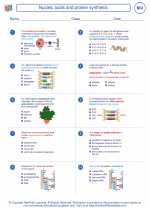
 Worksheet/Answer key
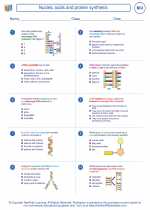 Worksheet/Answer key
 Worksheet/Answer key
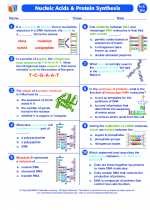 Vocabulary/Answer key
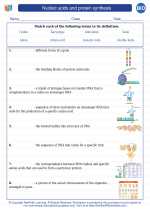 Vocabulary/Answer key
 Vocabulary/Answer key