Birds
Birds are a group of warm-blooded vertebrates constituting the class Aves, characterized by feathers, toothless beaked jaws, the laying of hard-shelled eggs, a high metabolic rate, and a strong yet lightweight skeleton.
Characteristics of Birds
- Feathers: Birds have feathers which are unique to this class of animals and serve multiple purposes including flight, insulation, and display.
- Beak: Instead of teeth, birds have beaks or bills adapted for different feeding habits such as tearing flesh, probing for nectar, or cracking seeds.
- Egg-laying: Birds lay hard-shelled eggs which are incubated until hatching.
- Metabolism: Birds have a high metabolic rate to support the energy demands of flying and maintaining body temperature.
- Skeleton: Their skeletons are adapted for flight, being lightweight but strong.
Classification of Birds
Birds are classified into various orders and families based on their anatomical and behavioral characteristics. Some of the major orders include Passeriformes (perching birds), Falconiformes (birds of prey), and Strigiformes (owls).
Adaptations for Flight
Flight is a key characteristic of birds and they have several adaptations that enable them to fly. These include lightweight bones, powerful flight muscles, and specialized respiratory and circulatory systems.
Ecological Importance
Birds play a crucial role in ecosystems as pollinators, seed dispersers, and predators of insects and small mammals. They are also indicators of environmental health and biodiversity.
Study Tips
- Learn to identify common bird species in your area by their plumage, behavior, and calls.
- Understand the adaptations that enable birds to fly and how they are different from other vertebrates.
- Explore the ecological roles of birds in different habitats and how they contribute to ecosystem functioning.
- Study the classification of birds and the features that distinguish different orders and families.
With the information and study tips provided, you should have a solid understanding of birds and their significance in the natural world.
.◂Biology Worksheets and Study Guides High School. Photosynthesis and respiration
 Worksheet/Answer key
 Worksheet/Answer key
 Worksheet/Answer key
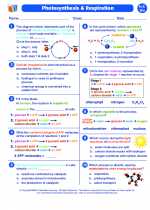 Vocabulary/Answer key
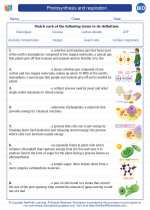 Vocabulary/Answer key