Understanding Bulbs in Chemistry
When it comes to chemistry, the term "bulb" can refer to different things depending on the context. Here are a few key concepts related to bulbs in chemistry:
- Bulb Pipette: A bulb pipette is a type of pipette that has a rubber bulb at one end to draw and dispense liquids. It is commonly used in laboratories to accurately measure and transfer specific volumes of liquids.
- Bulb in a Circuit: In the context of electrical circuits, a bulb refers to the part of the circuit that produces light when an electric current passes through it. This involves the principles of electrical conductivity and energy conversion.
- Bulb as a Unit of Measure: In some cases, the term "bulb" may be used as a unit of measure for the volume of a piece of glassware, such as a round-bottom flask or a graduated cylinder.
Each of these concepts involves different principles of chemistry and physics, and it's important to understand the specific context in which the term "bulb" is being used.
Study Guide for Bulbs in Chemistry
If you're studying bulbs in chemistry, here are some key topics to focus on:
- Understanding the use of bulb pipettes in laboratory settings, including how to properly use and read measurements from a bulb pipette.
- Exploring the principles of electricity and conductivity in the context of bulbs in electrical circuits, including how bulbs produce light and the factors that affect their brightness.
- Learning about the different glassware in the laboratory that may be referred to as "bulbs," and understanding how to measure and calculate volumes using these pieces of equipment.
By mastering these concepts, you can gain a comprehensive understanding of the role of bulbs in chemistry and their practical applications in laboratory work and electrical systems.
.◂Chemistry Worksheets and Study Guides High School. Mixtures and Compounds
Worksheet/Answer key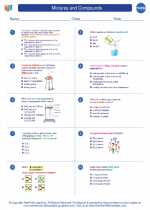 Mixtures and Compounds
  Worksheet/Answer key
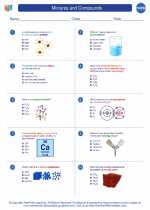 Mixtures and Compounds Worksheet/Answer key
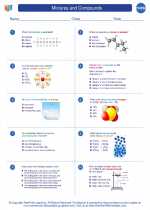 Mixtures and Compounds
Worksheet/Answer keyWorksheet/Answer keyThe resources above cover the following skills:
Chemistry II
Properties of Matter
Develop and use models to explain the differences between chemical compounds using patterns as a method for identification.
Use mathematical representations to quantify matter through the analysis of patterns in chemical compounds.