Genetic Diversity
Genetic diversity refers to the variety of different types of genes in a species or population. It is essential for the long-term survival and adaptability of a species in changing environments.
Importance of Genetic Diversity
Genetic diversity is crucial for several reasons:
- Adaptation: It enables a population to adapt to changing environmental conditions, such as new diseases or climate change.
- Resistance to Diseases: Greater genetic diversity can provide resistance to diseases and pests that can decimate a population with limited genetic variation.
- Population Stability: Genetic diversity helps maintain the stability of a population and reduces the risk of inbreeding depression.
- Ecosystem Health: It contributes to the overall health and resilience of ecosystems by promoting a variety of species that play different ecological roles.
Factors Affecting Genetic Diversity
Genetic diversity can be influenced by various factors, including:
- Mutations: Random changes in the DNA sequence can contribute to genetic diversity.
- Gene Flow: The introduction of new genetic material from other populations can increase diversity within a population.
- Population Size: Larger populations tend to have greater genetic diversity than smaller populations.
- Selection Pressure: Environmental pressures can influence which traits are favored, leading to changes in genetic diversity over time.
Measuring Genetic Diversity
Genetic diversity can be measured using various methods, including:
- DNA Sequencing: The analysis of DNA sequences can reveal the presence of different alleles and variations within a population.
- Microsatellite Analysis: This method examines short, repeated DNA sequences to assess genetic variability within and between populations.
- Population Genetics: Statistical methods can be used to study the distribution of genetic variation within and between populations.
Conservation of Genetic Diversity
Given its importance, efforts to conserve genetic diversity include:
- Protected Areas: Establishing and maintaining protected areas to preserve the natural habitats of diverse species.
- Ex Situ Conservation: Collecting and preserving genetic material in gene banks and botanical gardens to safeguard against species extinction.
- Restoration Ecology: Restoring ecosystems to promote the recovery of diverse species and genetic resources.
Study Guide
Here are some key points to focus on when studying genetic diversity:
- Understand the concept of genetic diversity and its significance in population and species survival.
- Learn about the factors that influence genetic diversity, such as mutations, gene flow, population size, and selection pressure.
- Explore the methods used to measure genetic diversity, including DNA sequencing, microsatellite analysis, and population genetics.
- Examine the conservation strategies aimed at preserving genetic diversity, such as protected areas, ex situ conservation, and restoration ecology.
[Genetic Diversity] Related Worksheets and Study Guides:
.◂Chemistry Worksheets and Study Guides High School. The Periodic Table - Set II
Worksheet/Answer key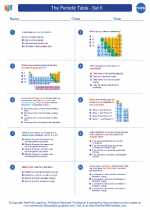 The Periodic Table - Set II
  Worksheet/Answer key
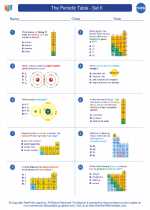 The Periodic Table - Set II Worksheet/Answer key
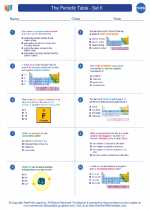 The Periodic Table - Set II
Worksheet/Answer keyWorksheet/Answer keyThe resources above cover the following skills:
PHYSICAL SCIENCE
Matter and Its Interactions
Develop models to illustrate the concept of half-life for radioactive decay.
Research and communicate information about types of naturally occurring radiation and their properties.