Genetic Engineering
Genetic engineering is the process of manipulating an organism's genetic material to achieve specific outcomes. This is typically done by altering the DNA of the organism through the insertion, deletion, or modification of specific genes. Genetic engineering has a wide range of applications, including agriculture, medicine, and industry.
Key Concepts
- Recombinant DNA: In genetic engineering, scientists use techniques to cut and recombine DNA from different sources, creating new combinations of genetic material.
- Gene Editing: This involves making precise changes to an organism's DNA, often using tools like CRISPR-Cas9, to modify or delete specific genes.
- Transgenic Organisms: These are organisms that have been modified to contain genes from another species. For example, crops can be engineered to be resistant to pests or tolerant to herbicides.
- Gene Therapy: In medicine, genetic engineering is used to treat genetic disorders by introducing healthy genes into a patient's cells.
Applications
Genetic engineering has a wide range of applications:
- Agriculture: It is used to develop crops with improved resistance to diseases and environmental stress, as well as enhanced nutritional content.
- Medicine: Gene therapy holds potential for treating genetic disorders, cancer, and other diseases.
- Industry: It is used to produce pharmaceuticals, enzymes, and other products through the manipulation of microorganisms.
Ethical Considerations
There are ethical concerns surrounding genetic engineering, particularly related to the potential for unintended consequences, environmental impacts, and the use of genetic modification in humans and animals.
Study Tips
- Understand the basics of DNA structure and function.
- Learn about the techniques used in genetic engineering, such as PCR, gene editing tools, and gene cloning.
- Explore the ethical implications and debates surrounding genetic engineering.
- Stay updated on recent developments and applications in the field.
◂Earth Science Worksheets and Study Guides High School. Weather I
Worksheet/Answer key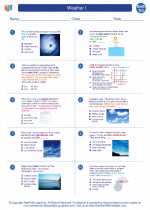 Weather I
  Worksheet/Answer key
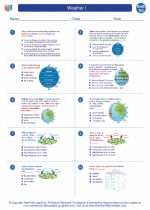 Weather I Worksheet/Answer key
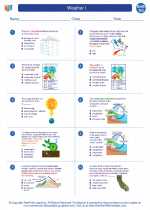 Weather I Worksheet/Answer key
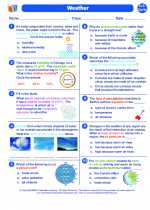 Weather I Vocabulary/Answer key
 Weather I Vocabulary/Answer key
 Weather I Vocabulary/Answer key
 Weather I
Worksheet/Answer keyWorksheet/Answer keyWorksheet/Answer keyVocabulary/Answer keyVocabulary/Answer keyVocabulary/Answer keyThe resources above cover the following skills:
ENVIRONMENTAL SCIENCE
Earth and Human Activity
Develop and use models to trace the flow of water, nitrogen, and phosphorus through the hydrosphere, atmosphere, geosphere, and biosphere.