Natural Materials
Natural materials are substances that are derived from the Earth and are not chemically synthesized. They can be used in their natural state or undergo minimal processing to be used in various applications.
Types of Natural Materials
- Minerals: Naturally occurring inorganic substances with a distinct chemical composition and crystal structure. Examples include quartz, feldspar, and talc.
- Rocks: Aggregates of minerals and other natural materials. They can be classified into three main types - igneous, sedimentary, and metamorphic rocks.
- Metals: Elements that are typically found in solid form, possessing metallic properties. Common metals include iron, copper, and aluminum.
- Organic Materials: Substances derived from living organisms, such as wood, cotton, and natural rubber.
- Water: A vital natural material that exists in liquid, solid, and gaseous states. It is essential for various biological and industrial processes.
Uses of Natural Materials
Natural materials have diverse applications across different industries:
- Construction: Rocks, minerals, and wood are widely used in building materials and infrastructure development.
- Manufacturing: Metals and minerals are essential for producing machinery, vehicles, and consumer goods.
- Agriculture: Natural materials like soil, water, and organic matter support plant growth and agricultural activities.
- Fashion and Textiles: Organic materials such as cotton, wool, and silk are used in clothing and textile production.
- Energy Production: Natural materials like coal, petroleum, and natural gas are crucial for generating electricity and fueling transportation.
Study Guide
When studying natural materials, it's important to understand their properties, formation processes, and practical applications. Here are key topics to focus on:
- Mineral Identification: Learn to identify common minerals based on their physical properties, such as color, hardness, and cleavage.
- Rock Classification: Understand the characteristics and formation of igneous, sedimentary, and metamorphic rocks.
- Metallic Properties: Explore the properties of metals, including conductivity, malleability, and ductility.
- Organic Material Sources: Study the sources and sustainable extraction of organic materials like wood, fibers, and natural dyes.
- Environmental Impact: Consider the environmental implications of using natural materials and the importance of sustainable resource management.
By mastering these concepts, you'll gain a deeper appreciation for the Earth's natural resources and their significance in our daily lives.
.◂Earth Science Worksheets and Study Guides High School. Weather I
Worksheet/Answer key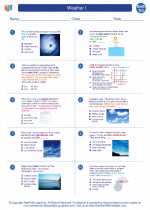 Weather I
  Worksheet/Answer key
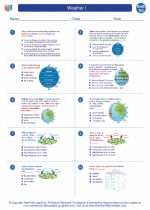 Weather I Worksheet/Answer key
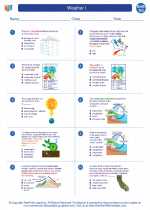 Weather I Worksheet/Answer key
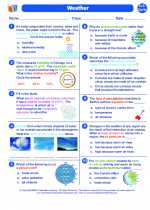 Weather I Vocabulary/Answer key
 Weather I Vocabulary/Answer key
 Weather I Vocabulary/Answer key
 Weather I
Worksheet/Answer keyWorksheet/Answer keyWorksheet/Answer keyVocabulary/Answer keyVocabulary/Answer keyVocabulary/Answer keyThe resources above cover the following skills:
ENVIRONMENTAL SCIENCE
Earth and Human Activity
Develop and use models to trace the flow of water, nitrogen, and phosphorus through the hydrosphere, atmosphere, geosphere, and biosphere.