Omnivores
An omnivore is an animal that consumes a variety of food sources, including plants, animals, fungi, and algae. This diverse diet allows omnivores to obtain essential nutrients from both plant and animal sources. Many common animals, including humans, bears, raccoons, and pigs, are classified as omnivores.
Diet
Omnivores have a wide-ranging diet that includes:
- Plants and vegetables
- Fruits and berries
- Meat, including fish, insects, and other animals
- Eggs and dairy products
- Fungi and algae
Adaptations
Omnivores have evolved various physical and behavioral adaptations to effectively obtain and process their diverse diet. For example:
- They may have a combination of sharp teeth for tearing meat and flat teeth for grinding plant matter.
- Some omnivores have specialized digestive systems that can break down a wide range of food types.
- Behaviorally, they may forage for different types of food in different environments, utilizing a diverse set of hunting, gathering, or scavenging techniques.
Study Guide
Here are some key points to remember about omnivores:
- What does an omnivore eat?
- Can you name three animals that are omnivores?
- What adaptations do omnivores have for their diverse diet?
- How do omnivores obtain their food?
- Why is having a diverse diet advantageous for omnivores?
Understanding the concept of omnivores is important in learning about food chains, ecosystems, and the interactions between different species in nature.
[Omnivores] Related Worksheets and Study Guides:
.◂Science Worksheets and Study Guides First Grade. Human body
Study Guide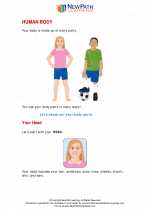 Human body
  Activity Lesson
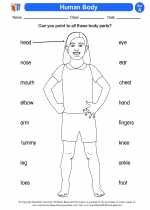 Human Body Worksheet/Answer key
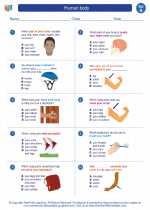 Human body Worksheet/Answer key
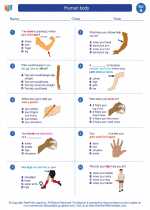 Human body Worksheet/Answer key
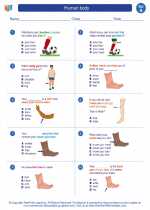 Human body Worksheet/Answer key
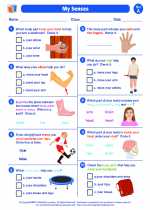 My Senses Worksheet/Answer key
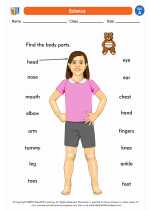 Human Body Worksheet/Answer key
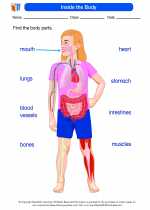 Inside the Body Vocabulary/Answer key
 Human body Vocabulary/Answer key
 Human body
Activity LessonWorksheet/Answer keyWorksheet/Answer keyWorksheet/Answer keyWorksheet/Answer keyWorksheet/Answer keyWorksheet/Answer keyVocabulary/Answer keyVocabulary/Answer keyThe resources above cover the following skills:
LIFE SCIENCE
From Molecules to Organisms: Structures and Processes
Design a solution to a human problem by using materials to imitate how plants and/or animals use their external parts to help them survive, grow, and meet their needs (e.g., outerwear imitating animal furs for insulation, gear mimicking tree bark or shells for protection).