Vacuoles
Vacuoles are membrane-bound organelles found in the cells of plants and some protists. They are essentially storage sacs within the cell that serve a variety of functions.
Structure of Vacuoles
Vacuoles are typically large in plant cells and are surrounded by a membrane called the tonoplast. The interior of the vacuole, known as the lumen, contains water, enzymes, and other dissolved substances.
Functions of Vacuoles
- Storage: Vacuoles store nutrients, water, and waste products. In plant cells, they can also store pigments and toxic substances.
- Turgor Pressure: In plant cells, vacuoles help maintain turgor pressure, which is important for providing structural support to the plant.
- Waste Processing: Vacuoles can contain enzymes that break down waste materials, helping to maintain cellular health.
- Isolation of Harmful Materials: In some cases, vacuoles isolate harmful materials, such as toxins or excess salts, to protect the rest of the cell.
Study Guide
Here are some key points to remember about vacuoles:
- What is the structure of a vacuole?
- What are the functions of vacuoles?
- How do vacuoles contribute to the health and function of plant cells?
- Provide examples of materials that vacuoles can store.
Understanding the structure and functions of vacuoles is important for understanding the overall organization and function of plant and protist cells.
.◂Science Worksheets and Study Guides First Grade. Living and nonliving things
Study Guide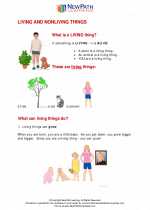 Living and nonliving things
  Activity Lesson
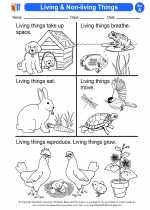 Living & Non-living Things Worksheet/Answer key
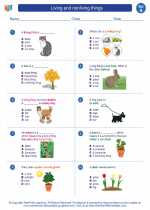 Living and nonliving things Worksheet/Answer key
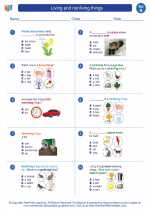 Living and nonliving things Worksheet/Answer key
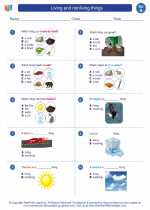 Living and nonliving things Worksheet/Answer key
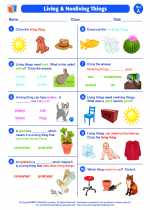 Living and nonliving things Vocabulary/Answer key
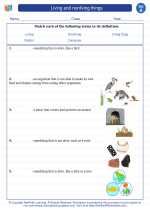 Living and nonliving things
Activity LessonWorksheet/Answer keyWorksheet/Answer keyWorksheet/Answer keyWorksheet/Answer keyVocabulary/Answer keyThe resources above cover the following skills:
Concepts of Life Science (SC1, SC2, SC3)
The student demonstrates an understanding that all organisms are linked to each other and their physical environments through the transfer and transformation of matter and energy by identifying and sorting examples of living and non-living things in the local environment. (L)