Human Evolution
Human evolution is the process by which modern humans have emerged from earlier hominid species. This process spans millions of years and has resulted in the development of unique physical, mental, and social characteristics that distinguish humans from other primates.
Key Concepts
- Hominid Species: The term "hominid" refers to any of the modern or extinct species of the family Hominidae, which includes humans and their ancestors.
- Fossil Evidence: The study of human evolution is supported by fossil evidence, such as skeletal remains, footprints, and tools, which provide insights into the physical characteristics and behavior of early human ancestors.
- Genetic Studies: Advances in genetic research have allowed scientists to trace the genetic history of humans and their relationships to other species, providing further understanding of human evolution.
- Tool Use and Culture: The development of tools and the emergence of cultural practices are significant aspects of human evolution, reflecting the cognitive and social advancements of early humans.
- Environmental Influences: Environmental changes and adaptations have played a crucial role in shaping the evolutionary path of humans, impacting physical traits and survival strategies.
Study Guide
As you explore the topic of human evolution, consider the following questions and areas of focus:
- What are the key characteristics that distinguish humans from other primates?
- How does fossil evidence contribute to our understanding of human evolution?
- What genetic studies have provided insights into the evolutionary history of humans?
- Examine the role of tool use and cultural practices in shaping human evolution.
- Explore the impact of environmental changes on the development of human traits and behaviors.
By delving into these concepts and questions, you can gain a comprehensive understanding of the fascinating process of human evolution.
.◂Science Worksheets and Study Guides Second Grade. Comparing matter
Study Guide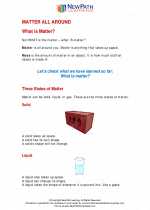 Comparing matter
  Activity Lesson
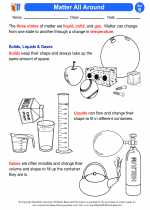 Matter All Around Worksheet/Answer key
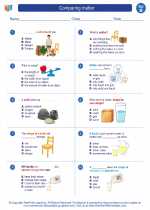 Comparing matter Worksheet/Answer key
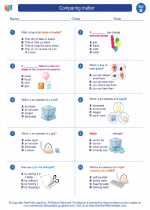 Comparing matter Worksheet/Answer key
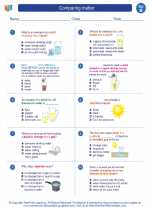 Comparing matter Vocabulary/Answer key
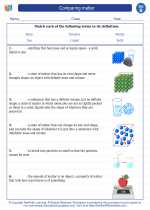 Comparing matter
Activity LessonWorksheet/Answer keyWorksheet/Answer keyWorksheet/Answer keyVocabulary/Answer keyThe resources above cover the following skills:
PHYSICAL SCIENCE (NGSS)
Matter and its Interactions
Students who demonstrate understanding can:
Construct an argument with evidence that some changes caused by heating or cooling can be reversed and some cannot.