Hydropower
Hydropower, also known as hydroelectric power, is a form of renewable energy that harnesses the power of water to generate electricity. This is typically done by building a dam on a river to create a reservoir of water. The potential energy of the water is then converted into kinetic energy as it flows through turbines, which in turn drives generators to produce electricity.
Key Concepts
- Renewable Energy: Hydropower is considered a renewable energy source because it relies on the natural water cycle to continuously replenish the water in rivers and reservoirs.
- Dams and Reservoirs: Dams are constructed to impound water and create reservoirs, which provide a controlled flow of water to drive turbines.
- Turbines and Generators: Turbines are used to convert the kinetic energy of flowing water into mechanical energy, which then drives generators to produce electricity.
- Environmental Impact: While hydropower is a clean energy source, the construction of dams and reservoirs can have environmental impacts on local ecosystems and wildlife.
- Uses and Benefits: Hydropower is used to generate electricity for homes, businesses, and industries, and it helps reduce reliance on fossil fuels, thus lowering greenhouse gas emissions.
Study Guide
Here are some key points to remember when studying hydropower:
- Describe how hydropower is generated and the role of dams and reservoirs in the process.
- Explain why hydropower is considered a renewable energy source and its environmental impact.
- Identify the components involved in converting water energy into electricity, such as turbines and generators.
- Discuss the uses and benefits of hydropower, including its contribution to reducing greenhouse gas emissions.
- Compare and contrast hydropower with other forms of renewable and non-renewable energy sources.
By understanding these key concepts and study guide points, you will have a solid grasp of the principles and significance of hydropower as a sustainable energy solution.
.◂Science Worksheets and Study Guides Second Grade. Comparing matter
Study Guide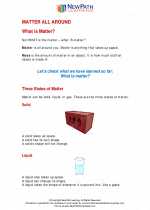 Comparing matter
  Activity Lesson
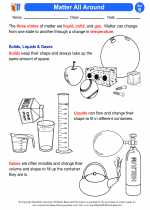 Matter All Around Worksheet/Answer key
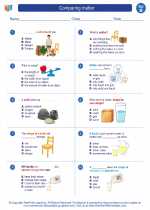 Comparing matter Worksheet/Answer key
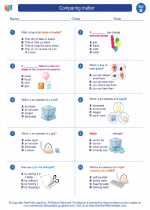 Comparing matter Worksheet/Answer key
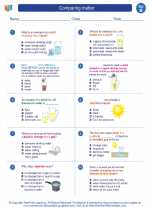 Comparing matter Vocabulary/Answer key
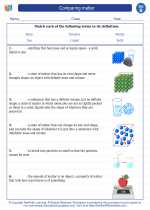 Comparing matter
Activity LessonWorksheet/Answer keyWorksheet/Answer keyWorksheet/Answer keyVocabulary/Answer keyThe resources above cover the following skills:
PHYSICAL SCIENCE (NGSS)
Matter and its Interactions
Students who demonstrate understanding can:
Construct an argument with evidence that some changes caused by heating or cooling can be reversed and some cannot.