Expression in Science
Expressions in science refer to the way certain traits or features are being manifested in an organism or a system. These expressions can be observed in various forms, such as physical traits, behaviors, or biochemical reactions.
Types of Expressions
There are several types of expressions in science:
- Genetic Expressions: These are the traits that are inherited from parents and are manifested in an organism's physical appearance or behavior.
- Phenotypic Expressions: These are the observable characteristics of an organism, resulting from the interaction between its genetic makeup and the environment.
- Biochemical Expressions: These refer to the ways in which genes are translated into proteins and other molecules, influencing the biochemical processes within an organism.
Studying Expressions
When studying expressions in science, it's important to consider various factors:
- Genetic Factors: Understanding the genetic makeup of an organism and how it influences the expressions of specific traits.
- Environmental Factors: Examining how the environment can impact the expression of traits, particularly in the context of phenotypic expressions.
- Molecular Biology: Exploring the biochemical processes involved in gene expression and protein synthesis.
Examples of Expressions
Examples of expressions in science include:
- Eye Color: The expression of specific genes determines an individual's eye color.
- Behavioral Patterns: Certain genetic and environmental factors contribute to the expression of behaviors in animals, such as mating rituals or foraging habits.
- Enzyme Activity: Biochemical expressions involve the regulation of enzyme activity, which influences various metabolic processes in living organisms.
Understanding expressions in science provides valuable insights into the mechanisms behind genetic inheritance, environmental interactions, and biochemical pathways within living systems.
.◂Science Worksheets and Study Guides Second Grade. Did you know... 2nd Grade
Study Guide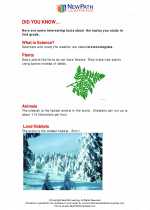 Did you know... 2nd Grade
  Worksheet/Answer key
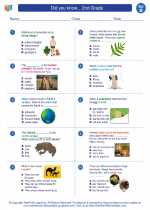 Did you know... 2nd Grade Worksheet/Answer key
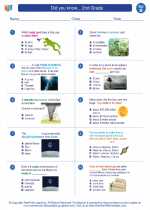 Did you know... 2nd Grade Worksheet/Answer key
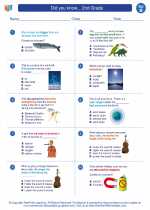 Did you know... 2nd Grade Vocabulary/Answer key
 Did you know... 2nd Grade
Worksheet/Answer keyWorksheet/Answer keyWorksheet/Answer keyVocabulary/Answer keyThe resources above cover the following skills:
Earth Systems Science
Weather and the changing seasons impact the environment and organisms such as humans, plants, and other animals. Students can:
Analyze ways in which severe weather contributes to catastrophic events such as floods and forest fires