Human-Made Lakes
Human-made lakes, also known as artificial lakes or reservoirs, are bodies of water that are created by people. They are typically formed by constructing a dam across a river or stream, which causes the water to accumulate and form a lake. Human-made lakes serve a variety of purposes, including providing drinking water, generating hydroelectric power, controlling floods, and providing recreational opportunities such as boating and fishing.
Formation of Human-Made Lakes
Human-made lakes are created through the following steps:
- Site Selection: Engineers and planners select a suitable location for building a dam, considering factors such as topography, water supply, and environmental impact.
- Dam Construction: A dam is built across a river or stream to impound the water and create a reservoir.
- Flooding: Once the dam is constructed, the area behind it is flooded as water accumulates, forming the human-made lake.
- Regulation: The water level in the reservoir is regulated to meet the specific needs, such as water supply, flood control, or power generation.
Purposes of Human-Made Lakes
Human-made lakes serve several important purposes, including:
- Water Supply: They provide a reliable source of water for drinking, irrigation, and industrial use.
- Hydroelectric Power: The stored water can be released to generate electricity through hydroelectric power plants.
- Flood Control: They help in controlling the flow of water and minimizing the impact of floods on downstream areas.
- Recreation: Human-made lakes offer opportunities for recreational activities such as boating, fishing, swimming, and wildlife observation.
Study Guide
Here are some key points to remember about human-made lakes:
- What are human-made lakes also known as? Artificial lakes or reservoirs
- How are human-made lakes formed? By constructing a dam across a river or stream
- What purposes do human-made lakes serve? Providing drinking water, generating hydroelectric power, controlling floods, and offering recreational opportunities
- What are the steps involved in the formation of human-made lakes? Site selection, dam construction, flooding, and regulation of water levels
Understanding the formation and purposes of human-made lakes is essential for appreciating the role they play in our environment and society.
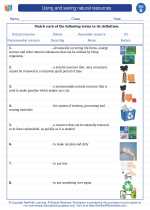
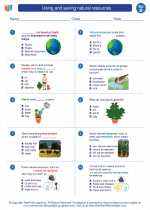
.◂Science Worksheets and Study Guides Second Grade. Using and saving natural resources

 Worksheet/Answer key
 Worksheet/Answer key
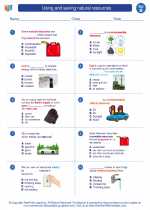 Worksheet/Answer key
 Vocabulary/Answer key
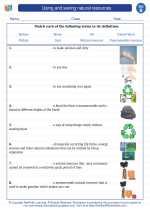 Vocabulary/Answer key