Disease
A disease is a condition that negatively impacts the normal functioning of an organism's body. It can be caused by various factors such as pathogens, genetic mutations, environmental factors, and lifestyle choices.
Types of Diseases
Diseases can be broadly classified into the following categories:
- Infectious Diseases: These are caused by pathogenic microorganisms such as bacteria, viruses, fungi, and parasites. Examples include the flu, tuberculosis, and malaria.
- Non-communicable Diseases: These are not caused by infectious agents and often develop over time. Examples include heart disease, diabetes, and cancer.
- Genetic Diseases: These are caused by abnormalities in an individual's genetic makeup. Examples include cystic fibrosis, sickle cell anemia, and Huntington's disease.
- Autoimmune Diseases: These occur when the immune system mistakenly attacks the body's own cells and tissues. Examples include rheumatoid arthritis, lupus, and type 1 diabetes.
Causes of Diseases
Diseases can have various causes, including:
- Pathogens: Microorganisms such as bacteria, viruses, and fungi.
- Genetic Mutations: Inherited genetic abnormalities that predispose individuals to certain diseases.
- Environmental Factors: Exposure to pollutants, toxins, and other environmental hazards.
- Lifestyle Choices: Unhealthy habits such as smoking, poor diet, lack of physical activity, and substance abuse.
Prevention and Treatment
Preventing and treating diseases often involves a combination of strategies, including:
- Vaccination: Immunizing individuals to prevent infectious diseases.
- Healthy Lifestyle: Promoting good nutrition, regular exercise, and avoidance of harmful substances.
- Medication: Using pharmaceutical drugs to treat symptoms and underlying causes of diseases.
- Medical Procedures: Surgical interventions, organ transplants, and other medical treatments.
Study Guide
To study the topic of disease, it's important to focus on the following key points:
- Understand the different types of diseases and their characteristics.
- Identify the causes and risk factors associated with various diseases.
- Learn about the prevention and treatment methods for common diseases.
- Explore specific examples of infectious, genetic, and non-communicable diseases.
◂Science Worksheets and Study Guides Third Grade. Forces and motion-how things move
Lesson Plan Forces and Motion - Bundle
  Study Guide
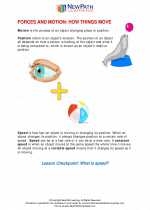 Forces and motion-how things move Worksheet/Answer key
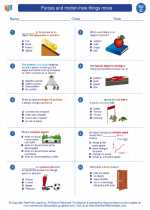 Forces and motion-how things move Worksheet/Answer key
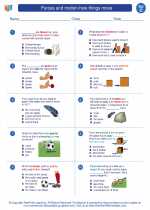 Forces and motion-how things move Worksheet/Answer key
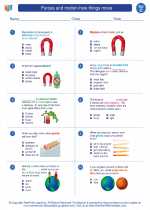 Forces and motion-how things move Vocabulary/Answer key
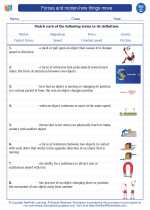 Forces and motion-how things move Vocabulary/Answer key
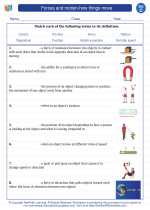 Forces and motion-how things move
Study GuideWorksheet/Answer keyWorksheet/Answer keyWorksheet/Answer keyVocabulary/Answer keyVocabulary/Answer keyThe resources above cover the following skills:
PHYSICAL SCIENCE (NGSS)
Motion and Stability: Forces and Interactions
Students who demonstrate understanding can:
Make observations and/or measurements of an object’s motion to provide evidence that a pattern can be used to predict future motion.