Biome
A biome is a large geographical area of distinctive plant and animal groups, which are adapted to that particular environment. Biomes are often defined by factors such as climate, vegetation, and biodiversity. There are several major types of biomes, each with its own unique characteristics.
Types of Biomes
There are several major types of biomes, including:
- Desert: Characterized by low precipitation and extreme temperatures, deserts are home to plants and animals adapted to arid conditions.
- Grassland: Grasslands are dominated by grasses and are often used for grazing by large herbivores such as bison and antelope.
- Forest: Forest biomes include tropical rainforests, temperate forests, and boreal forests, each with their own unique plant and animal life.
- Tundra: Found in the coldest regions of the world, tundra biomes have a short growing season and are home to cold-adapted plants and animals.
- Aquatic: Aquatic biomes include freshwater (e.g., rivers, lakes) and marine (e.g., oceans, coral reefs) environments, each with its own unique aquatic life.
Factors Affecting Biomes
Several factors can affect the characteristics of a biome, including:
- Climate: Temperature and precipitation play a significant role in determining the type of biome found in a particular area.
- Soil: Soil composition can influence the types of plants that can grow in a biome.
- Topography: The physical features of the land, such as elevation and slope, can impact the characteristics of a biome.
- Human Impact: Human activities, such as deforestation and pollution, can have a significant impact on biomes and their biodiversity.
Study Guide
To study biomes, consider the following key points:
- What are the major types of biomes, and what are their defining characteristics?
- How do factors such as climate, soil, and topography influence the characteristics of a biome?
- What are some examples of plant and animal life found in each type of biome?
- What are the potential impacts of human activities on biomes and their biodiversity?
- Consider creating a chart or diagram to compare and contrast the different biomes and their key features.
Understanding biomes is essential for understanding the Earth's diverse ecosystems and the interactions between living organisms and their environments.
.◂Science Worksheets and Study Guides Fourth Grade. Animal Growth and Reproduction
Lesson Plan Animal Growth and Reproduction - Bundle
  Study Guide
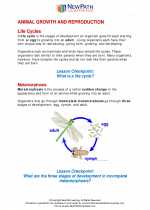 Animal Growth and Reproduction Activity Lesson
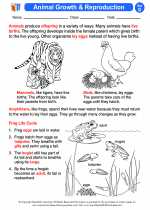 Animal Growth & Reproduction Worksheet/Answer key
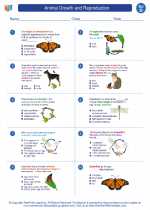 Animal Growth and Reproduction Worksheet/Answer key
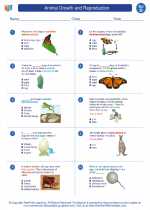 Animal Growth and Reproduction Worksheet/Answer key
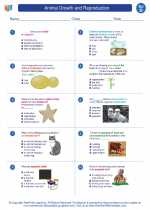 Animal Growth and Reproduction Worksheet/Answer key
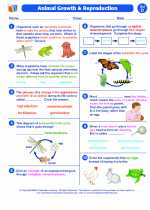 Animal Growth and Reproduction Vocabulary/Answer key
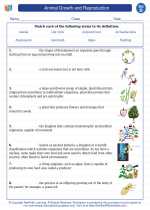 Animal Growth and Reproduction Vocabulary/Answer key
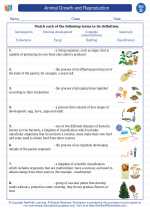 Animal Growth and Reproduction Vocabulary/Answer key
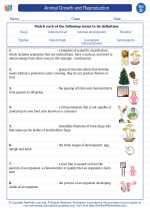 Animal Growth and Reproduction Vocabulary/Answer key
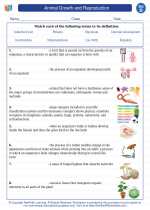 Animal Growth and Reproduction Vocabulary/Answer key
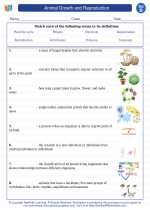 Animal Growth and Reproduction
Study GuideActivity LessonWorksheet/Answer keyWorksheet/Answer keyWorksheet/Answer keyWorksheet/Answer keyVocabulary/Answer keyVocabulary/Answer keyVocabulary/Answer keyVocabulary/Answer keyVocabulary/Answer keyThe resources above cover the following skills:
Life Science
Heredity and Reproduction - A. Offspring of plants and animals are similar to, but not exactly like, their parents or each other. B. Life cycles vary among organisms, but reproduction is a major stage in the life cycle of all organisms.
Compare and contrast the major stages in the life cycles of Florida plants and animals, such as those that undergo incomplete and complete metamorphosis, and flowering and nonflowering seed-bearing plants.