Human Evolution
Human evolution is the process of how modern humans (Homo sapiens) evolved from their early primate ancestors. The study of human evolution involves understanding the biological and cultural developments that led to the emergence of modern humans.
Key Concepts
- Primate Evolution: Understanding the evolutionary history of primates, including early hominids and their characteristics.
- Hominid Species: Exploring the different species of hominids that existed, such as Homo habilis, Homo erectus, and Neanderthals.
- Tool Use and Cultural Development: Examining the development of tools and cultural practices among early human ancestors.
- Genetic and Fossil Evidence: Analyzing genetic and fossil evidence to trace the evolutionary lineage of modern humans.
- Modern Human Diversity: Understanding the genetic and phenotypic diversity of modern humans and how it relates to human evolution.
Study Guide
Here are some key points to focus on while studying human evolution:
- Describe the characteristics of early primates and how they differ from other mammals.
- Identify key hominid species and their respective traits, habitats, and time periods.
- Discuss the significance of tool use and cultural development in the evolution of early humans.
- Analyze genetic and fossil evidence to understand the evolutionary relationships among different hominid species.
- Examine the factors that contributed to the success and spread of modern humans across the globe.
- Compare and contrast the genetic and phenotypic diversity of modern human populations.
- Discuss ongoing research and discoveries in the field of human evolution and its implications for our understanding of human origins.
By focusing on these key concepts and study guide points, you can gain a comprehensive understanding of human evolution and its significance in the broader context of biological and cultural anthropology.
.◂Science Worksheets and Study Guides Fourth Grade. Did you Know... 4th grade
Lesson Plan Did You Know... - Bundle
  Study Guide
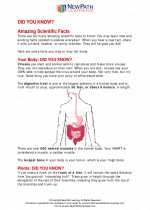 Did you Know... 4th grade Worksheet/Answer key
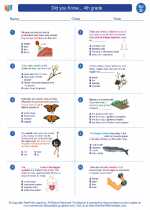 Did you Know... 4th grade Worksheet/Answer key
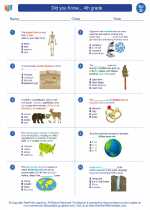 Did you Know... 4th grade Worksheet/Answer key
 Did you Know... 4th grade
Study GuideWorksheet/Answer keyWorksheet/Answer keyWorksheet/Answer keyThe resources above cover the following skills:
Core Ideas for Knowing Science
Life Science
Organisms are organized on a cellular basis and have a finite life span.