What is the Trachea?
The trachea, also known as the windpipe, is a tube made of cartilage rings and soft tissue. It is located in the front of the neck and extends from the lower part of the larynx to the bronchi in the chest.
Structure of the Trachea:
The trachea is made up of:
- Cartilage rings: These C-shaped rings provide support and prevent the trachea from collapsing, allowing it to stay open for air passage.
- Mucous membrane: The inner lining of the trachea is covered by a mucous membrane that helps to trap dust, debris, and bacteria from the inhaled air.
- Ciliated cells: The lining of the trachea contains ciliated cells, which have tiny hair-like structures called cilia. These cilia move in a coordinated manner to sweep mucus and trapped particles upwards towards the throat, where they can be swallowed or expelled.
Function of the Trachea:
The main functions of the trachea include:
- Air passage: The trachea allows air to move in and out of the lungs during breathing.
- Protection: The mucous membrane and cilia in the trachea help to filter, warm, and moisten the inhaled air, as well as trap and remove harmful particles and microorganisms.
Common Tracheal Conditions:
Some common conditions that affect the trachea include:
- Tracheitis: Inflammation of the trachea, often caused by infections.
- Tracheal stenosis: Narrowing of the trachea due to scarring or other factors, leading to breathing difficulties.
- Tracheal tumors: Abnormal growths in the trachea that can block airflow.
Conclusion
The trachea plays a crucial role in the respiratory system, providing a pathway for air to reach the lungs while also helping to protect the body from harmful substances in the air. Understanding its structure and function is important for comprehending the process of breathing and respiratory health.
[Trachea] Related Worksheets and Study Guides:
.◂Science Worksheets and Study Guides Fourth Grade. Force, Motion, and Energy
Lesson Plan Force, Motion, and Energy - Bundle
  Study Guide
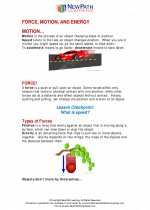 Force, motion and energy Activity Lesson
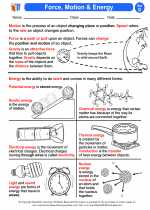 Force, Motion & Energy Worksheet/Answer key
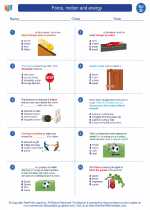 Force, motion and energy Worksheet/Answer key
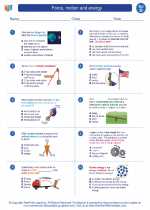 Force, motion and energy Worksheet/Answer key
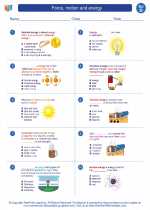 Force, motion and energy Worksheet/Answer key
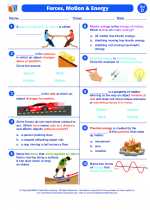 Forces, Motion end Energy Vocabulary/Answer key
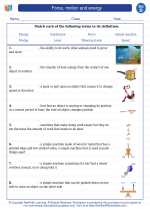 Force, motion and energy Vocabulary/Answer key
 Force, motion and energy Vocabulary/Answer key
 Force, motion and energy
Study GuideActivity LessonWorksheet/Answer keyWorksheet/Answer keyWorksheet/Answer keyWorksheet/Answer keyVocabulary/Answer keyVocabulary/Answer keyVocabulary/Answer keyThe resources above cover the following skills:
PHYSICAL SCIENCE (NGSS)
Energy
Students who demonstrate understanding can:
Use evidence to construct an explanation relating the speed of an object to the energy of that object.