Biodiversity
Biodiversity refers to the variety of life forms on Earth, including the different species of plants, animals, and microorganisms, the genes they contain, and the ecosystems they form. It is a measure of the variety of living organisms present in different ecosystems and the variety of genetic materials they contain.
Importance of Biodiversity
Biodiversity is important for several reasons:
- Ecosystem Stability: Biodiverse ecosystems are more resilient and able to withstand environmental changes.
- Medicinal Resources: Many important medicines are derived from biodiversity.
- Agricultural Resources: Biodiversity provides the genetic resources for crops and livestock.
- Economic Value: Biodiversity contributes to tourism, recreation, and the economy.
Factors Affecting Biodiversity
Biodiversity is influenced by various factors, including:
- Habitat Loss: Destruction of natural habitats reduces biodiversity.
- Climate Change: Changes in temperature and precipitation patterns can impact biodiversity.
- Overexploitation: Overhunting, overfishing, and overharvesting can lead to the decline of certain species.
- Invasive Species: Introduction of non-native species can disrupt ecosystems and lead to loss of biodiversity.
Conservation of Biodiversity
Efforts to conserve biodiversity include:
- Protected Areas: Establishing and managing national parks, nature reserves, and wildlife sanctuaries.
- Legal Protection: Enacting laws and regulations to protect endangered species and their habitats.
- Public Awareness: Educating the public about the importance of biodiversity and the need for conservation.
- Sustainable Practices: Promoting sustainable use of natural resources to minimize impact on biodiversity.
Study Guide
Here are some key points to remember about biodiversity:
- Define biodiversity and explain its significance.
- List and describe the factors that can affect biodiversity.
- Discuss the importance of conserving biodiversity and describe methods for its conservation.
- Provide examples of how biodiversity contributes to human well-being and the economy.
◂Science Worksheets and Study Guides Fourth Grade. Science in our world
Lesson Plan Science in Our World - Bundle
  Study Guide
 Science in our world - 4th gr. Worksheet/Answer key
 Science in our world - 4th gr. Worksheet/Answer key
 Science in our world - 4th gr. Worksheet/Answer key
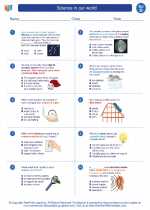 Science in our world - 4th gr. Vocabulary/Answer key
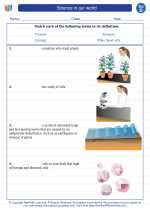 Science in our world - 4th gr.
Study GuideWorksheet/Answer keyWorksheet/Answer keyWorksheet/Answer keyVocabulary/Answer keyThe resources above cover the following skills:
History and Nature of Science: A student should understand the history and nature of science. A student who meets the content standard should:
Develop an understanding that historical perspectives of scientific explanations demonstrate that scientific knowledge changes over time, building on prior knowledge.
Develop an understanding that scientific knowledge is ongoing and subject to change as new evidence becomes available through experimental and/or observational confirmation(s).