Genetic Variation
Genetic variation refers to the diversity in the genetic makeup of individuals within a population. This variation arises from differences in the DNA sequences of genes, which can result in different physical traits and characteristics. It is a fundamental concept in genetics and is essential for the survival and adaptation of species.
Sources of Genetic Variation
Genetic variation can arise from several sources:
- Mutations: These are permanent changes in the DNA sequence that can be passed on to offspring. Mutations can occur spontaneously or as a result of environmental factors such as radiation or chemicals.
- Sexual Reproduction: During the process of meiosis, genetic material is shuffled and recombined, leading to new combinations of genes in the offspring.
- Gene Flow: When individuals from different populations interbreed, genetic material is exchanged, leading to an increase in genetic variation within both populations.
- Natural Selection: Environmental pressures can favor certain genetic traits over others, leading to changes in the frequency of specific genes within a population.
Importance of Genetic Variation
Genetic variation is crucial for the following reasons:
- Adaptation: It allows species to adapt to changing environments and increases the likelihood of survival in the face of new challenges.
- Species Survival: Greater genetic diversity reduces the risk of extinction as it provides a wider range of traits that may be beneficial in different conditions.
- Health and Disease: Genetic variation can influence susceptibility to diseases and the effectiveness of medical treatments.
- Biodiversity: It contributes to the overall diversity of life on Earth, which is essential for ecosystem stability and resilience.
Studying Genetic Variation
To study genetic variation, scientists use a variety of techniques, including:
- Genotyping: This involves identifying and comparing genetic variations in individuals by analyzing their DNA sequences.
- Phenotypic Analysis: Observing and comparing physical traits and characteristics to understand how genetic variation influences specific traits.
- Population Genetics: Studying the frequency and distribution of genetic variations within and between populations to understand evolutionary processes.
Test Your Knowledge
Now that you've learned about genetic variation, test your knowledge with the following questions:
- What are the sources of genetic variation?
- Why is genetic variation important for species survival?
- How do scientists study genetic variation?
For answers to these questions and more, reach out to me for a deeper understanding of genetic variation!
.◂Science Worksheets and Study Guides Fourth Grade. Weather and Climate
Lesson Plan Weather and Climate - Bundle
  Study Guide
 Weather and climate Activity Lesson
 Weather Worksheet/Answer key
 Weather and climate Worksheet/Answer key
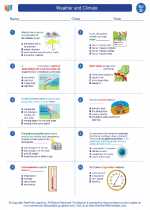 Weather and climate Worksheet/Answer key
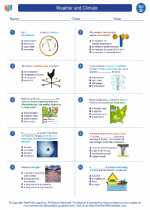 Weather and climate Worksheet/Answer key
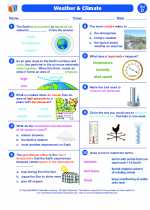 Weather and Climate Vocabulary/Answer key
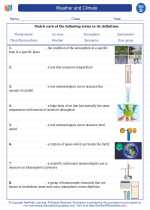 Weather and climate Vocabulary/Answer key
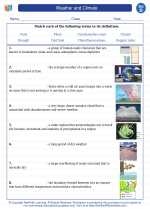 Weather and climate Vocabulary/Answer key
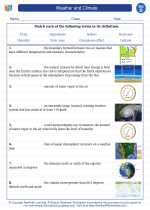 Weather and climate Vocabulary/Answer key
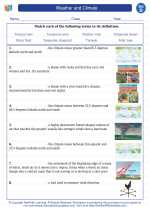 Weather and climate
Study GuideActivity LessonWorksheet/Answer keyWorksheet/Answer keyWorksheet/Answer keyWorksheet/Answer keyVocabulary/Answer keyVocabulary/Answer keyVocabulary/Answer keyVocabulary/Answer keyThe resources above cover the following skills:
Concepts of Earth Science (SD1, SD2, SD3, SD4)
The student demonstrates an understanding of the forces that shape Earth by identifying causes (i.e., earthquakes, tsunamis, volcanoes, floods, landslides, and avalanches) of rapid changes on the surface.