Characteristics of Protozoa
- Cellular Structure: Protozoa are unicellular organisms with a well-defined nucleus and other organelles enclosed within a cell membrane.
- Motility: Many protozoa are able to move using specialized structures such as cilia, flagella, or pseudopodia.
- Nutrition: They exhibit diverse modes of nutrition including phagocytosis, photosynthesis, and absorption.
- Reproduction: Protozoa can reproduce asexually through binary fission, multiple fission, or sexually through conjugation.
- Habitat: They are found in a wide range of habitats including freshwater, marine environments, soil, and the bodies of other organisms.
Classification of Protozoa
Protozoa are classified into various phyla based on their mode of movement, presence of specialized organelles, and other characteristics. Some common phyla include:
- Sarcodina: Amoeboid protozoa characterized by the presence of pseudopodia, such as Amoeba and Entamoeba.
- Ciliophora: Ciliated protozoa with hair-like structures called cilia, including Paramecium and Stentor.
- Zooflagellates: Flagellated protozoa, such as Trypanosoma and Giardia, which move using flagella.
- Sporozoa: Parasitic protozoa that often have complex life cycles and include Plasmodium, the causative agent of malaria.
Importance of Protozoa
Protozoa play crucial roles in various ecosystems. They contribute to nutrient cycling by consuming bacteria and other microorganisms, and they serve as important components of aquatic food chains. Some protozoa are also used as model organisms in scientific research.
Study Guide for Protozoa
When studying protozoa, it's important to focus on their diversity, classification, and ecological significance. Here are some key points to include in your study guide:
- Understand the characteristics of protozoa, including their cellular structure, motility, and modes of nutrition.
- Learn about the different phyla of protozoa and their distinguishing features.
- Explore the ecological roles of protozoa in nutrient cycling and food webs.
- Study the life cycles and pathogenicity of medically and economically important protozoa.
- Examine the impact of protozoa in human society, including their relevance in research and their effects on human health and agriculture.
◂Science Worksheets and Study Guides Sixth Grade. Plant reproduction
Study Guide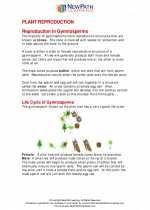 Plant reproduction
  Activity Lesson
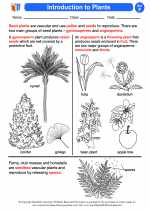 Introduction to Plants Worksheet/Answer key
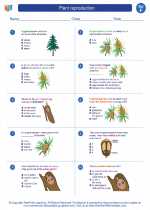 Plant reproduction Worksheet/Answer key
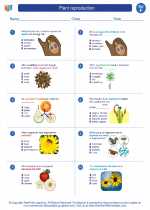 Plant reproduction Worksheet/Answer key
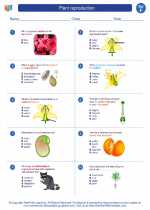 Plant reproduction Vocabulary/Answer key
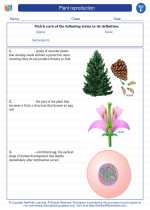 Plant reproduction
Activity LessonWorksheet/Answer keyWorksheet/Answer keyWorksheet/Answer keyVocabulary/Answer keyThe resources above cover the following skills:
LIFE SCIENCE
From Molecules to Organisms: Structures and Processes
Students who demonstrate understanding can:
Use argument based on empirical evidence and scientific reasoning to support an explanation for how characteristic animal behaviors and specialized plant structures affect the probability of successful reproduction of animals and plants respectively.