What is Genetic Engineering?
Genetic engineering is the process of altering an organism's DNA, or genetic material, to modify its characteristics. This can involve adding, removing, or changing specific genes to achieve desired traits.
How is Genetic Engineering Used?
- Agriculture: Genetic engineering is used to develop crops with improved resistance to pests, diseases, and environmental conditions. This can lead to higher crop yields and reduced reliance on chemical pesticides.
- Medicine: Genetic engineering is used to produce pharmaceuticals, such as insulin and human growth hormone, through genetically modified organisms. It also holds promise for gene therapy to treat genetic disorders.
- Research: Genetic engineering is a valuable tool for studying gene function and understanding genetic diseases. It allows scientists to create models of specific genetic conditions and explore potential treatments.
Techniques of Genetic Engineering
There are several techniques used in genetic engineering, including:
- Recombinant DNA Technology: This involves combining DNA from different sources to create genetically modified organisms.
- CRISPR-Cas9: A revolutionary gene-editing tool that allows precise modification of DNA sequences within an organism's genome.
- Gene Cloning: The process of making multiple copies of a specific gene for research or practical applications.
Ethical Considerations
Genetic engineering raises ethical concerns related to environmental impact, food safety, and potential unintended consequences. It's important to consider the ethical implications of genetic modification and ensure responsible use of this technology.
Study Tips
- Understand the basics of DNA structure and function, as genetic engineering involves manipulating DNA sequences.
- Explore case studies of genetically modified crops and their impact on agriculture and the environment.
- Stay updated on recent developments in gene editing technologies, such as CRISPR-Cas9, and their potential applications in medicine and biotechnology.
- Discuss the ethical implications of genetic engineering and consider different perspectives on its use.
◂Science Worksheets and Study Guides Sixth Grade. Providing Fuel and Transportation
Lesson Plan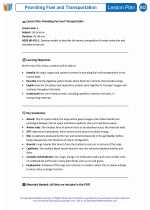 Providing Fuel and Transportation - Bundle
  Worksheet/Answer key
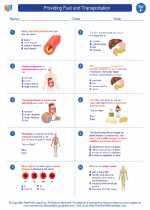 Providing Fuel and Transportation Worksheet/Answer key
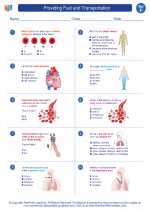 Providing Fuel and Transportation Worksheet/Answer key
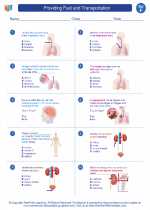 Providing Fuel and Transportation Worksheet/Answer key
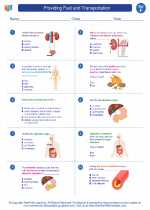 Providing Fuel and Transportation Vocabulary/Answer key
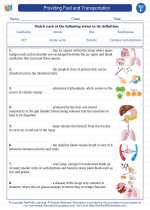 Providing Fuel and Transportation Vocabulary/Answer key
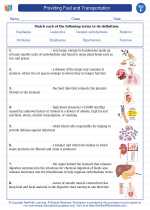 Providing Fuel and Transportation Vocabulary/Answer key
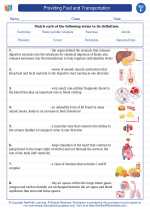 Providing Fuel and Transportation
Worksheet/Answer keyWorksheet/Answer keyWorksheet/Answer keyWorksheet/Answer keyVocabulary/Answer keyVocabulary/Answer keyVocabulary/Answer keyThe resources above cover the following skills:
Reading Standards for Literacy in Science and Technical Subjects
Craft and Structure
Determine the meaning of symbols, key terms, and other domain-specific words and phrases as they are used in a specific scientific or technical context relevant to grades 6-8 texts and topics.