Hydroelectric Energy
Hydroelectric energy is a renewable energy source that harnesses the power of flowing or falling water to generate electricity. It is one of the oldest and most widely used forms of renewable energy, providing around 16% of the world's electricity.
How Hydroelectric Energy Works
Hydroelectric power plants use the kinetic energy of flowing water to turn turbines, which then drive generators to produce electricity. The basic components of a hydroelectric power plant include a dam, reservoir, penstock, turbine, and generator.
Study Guide
- Hydrological Cycle: Understand the role of water in the hydrological cycle and how it contributes to the generation of hydroelectric power.
- Dams and Reservoirs: Learn about the function of dams and reservoirs in controlling the flow of water and storing potential energy.
- Turbines and Generators: Explore the mechanics of turbines and generators in converting the kinetic energy of water into electrical energy.
- Environmental Impact: Investigate the environmental impacts of hydroelectric power, including habitat disruption and fish migration.
- Global Usage: Research the global usage of hydroelectric energy and its contribution to the world's electricity supply.
Benefits of Hydroelectric Energy
- Renewable and Sustainable
- Low Greenhouse Gas Emissions
- Reliable Source of Energy
- Water Management and Flood Control
Hydroelectric energy offers a clean and reliable source of power, making it an important component of the world's energy mix.
.◂Science Worksheets and Study Guides Seventh Grade. Cell Reproduction
Study Guide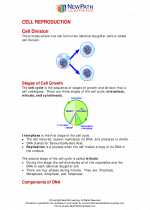 Cell Reproduction
  Activity Lesson
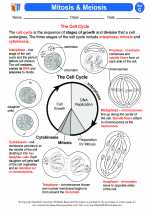 Mitosis & Meiosis Worksheet/Answer key
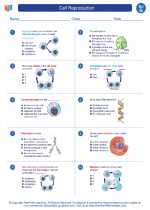 Cell Reproduction Worksheet/Answer key
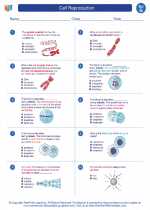 Cell Reproduction Worksheet/Answer key
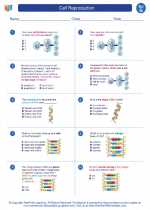 Cell Reproduction Vocabulary/Answer key
 Cell Reproduction Vocabulary/Answer key
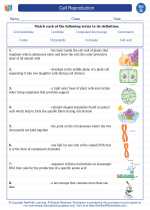 Cell Reproduction Vocabulary/Answer key
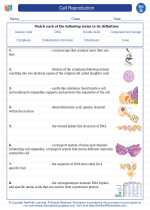 Cell Reproduction Vocabulary/Answer key
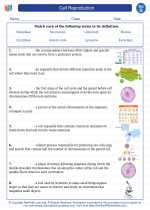 Cell Reproduction Vocabulary/Answer key
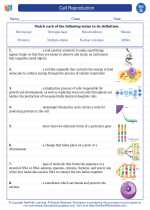 Cell Reproduction Vocabulary/Answer key
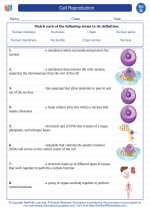 Cell Reproduction Vocabulary/Answer key
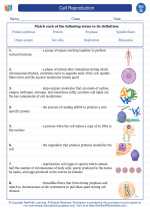 Cell Reproduction Vocabulary/Answer key
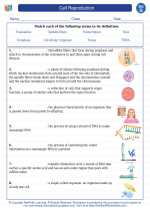 Cell Reproduction
Activity LessonWorksheet/Answer keyWorksheet/Answer keyWorksheet/Answer keyVocabulary/Answer keyVocabulary/Answer keyVocabulary/Answer keyVocabulary/Answer keyVocabulary/Answer keyVocabulary/Answer keyVocabulary/Answer keyVocabulary/Answer keyThe resources above cover the following skills:
LIFE SCIENCE
From Molecules to Organisms: Structures and Processes
Gather and synthesize information to explain how prokaryotic and eukaryotic cells differ in structure and function, including the methods of asexual and sexual reproduction.