Radio Waves
Radio waves are a type of electromagnetic radiation with wavelengths longer than infrared light. They are used for many forms of communication, including television and radio broadcasting, cellular phones, and two-way communication like walkie-talkies and CB radios.
Radio waves are a form of energy that is part of the electromagnetic spectrum. They are used for communication because they can travel long distances and can pass through the atmosphere and buildings. The frequency of radio waves ranges from 3 kHz to 300 GHz.
Key Concepts to Understand:
- Electromagnetic Spectrum: Explain the relationship between radio waves and the rest of the electromagnetic spectrum, including visible light, microwaves, and X-rays.
- Properties of Radio Waves: Discuss the properties of radio waves, including their wavelength, frequency, and ability to propagate through different materials.
- Communication Applications: Explore the various ways in which radio waves are used for communication, such as in broadcasting, mobile phones, and wireless internet.
- Advantages and Disadvantages: Consider the advantages and disadvantages of using radio waves for communication, including their ability to travel long distances and potential interference issues.
Study Guide:
To prepare for your study of radio waves, you should focus on the following key points:
- Understand the electromagnetic spectrum and where radio waves fit into it.
- Learn about the properties of radio waves, including their wavelength and frequency ranges.
- Explore the practical applications of radio waves in various forms of communication.
- Consider the advantages and disadvantages of using radio waves for communication.
By mastering these concepts, you will have a solid understanding of radio waves and their importance in modern communication systems.
.◂Science Worksheets and Study Guides Seventh Grade. Photosynthesis and Respiration
Lesson Plan Photosynthesis and Respiration - Bundle
  Worksheet/Answer key
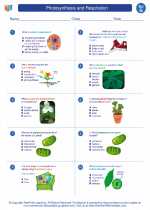 Photosynthesis and Respiration Worksheet/Answer key
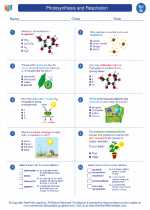 Photosynthesis and Respiration Worksheet/Answer key
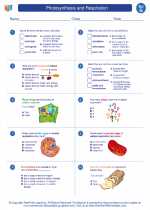 Photosynthesis and Respiration Vocabulary/Answer key
 Photosynthesis and Respiration Vocabulary/Answer key
 Photosynthesis and Respiration Vocabulary/Answer key
 Photosynthesis and Respiration
Worksheet/Answer keyWorksheet/Answer keyWorksheet/Answer keyVocabulary/Answer keyVocabulary/Answer keyVocabulary/Answer keyThe resources above cover the following skills:
LIFE SCIENCE
Ecosystems: Interactions, Energy, and Dynamics
Examine the cycling of matter between abiotic and biotic parts of ecosystems to explain the flow of energy and the conservation of matter.
Generate a scientific explanation based on evidence for the role of photosynthesis and cellular respiration in the cycling of matter and flow of energy into and out of organisms.