What is Plasma?
Plasma is the fourth state of matter, in addition to solid, liquid, and gas. It is a hot, ionized gas consisting of positively charged ions and free electrons, which makes it highly conductive of electricity.
Characteristics of Plasma:
- Highly ionized: Plasma consists of a high density of charged particles.
- Conductive: Due to the presence of free electrons, plasma can conduct electricity.
- Responsive to electromagnetic fields: Plasma can be influenced by magnetic and electric fields.
- Produces light: When energy is applied to plasma, it emits light, making it useful in technologies such as fluorescent lights and plasma TVs.
Examples of Plasma:
Plasma can be found in various natural and artificial phenomena, including:
- Stars: The Sun and other stars consist of superheated plasma.
- Lightning: The ionized air during a lightning strike forms plasma.
- Fluorescent lights: These lights contain ionized gas that emits light when electricity passes through it.
- Plasma TV and displays: These devices use plasma to create images.
Study Guide:
1. What is plasma and how does it differ from the other states of matter?
2. Describe the characteristics of plasma and provide examples of natural and artificial plasma phenomena.
3. Explain the role of plasma in conducting electricity and producing light in various technologies.
4. Compare and contrast the behavior of plasma with other states of matter in response to external electromagnetic fields.
[Plasma] Related Worksheets and Study Guides:
.◂Science Worksheets and Study Guides Kindergarten. Our Earth
Coloring Worksheet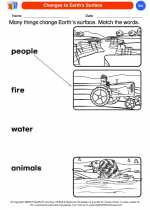 Changes to Earth's Surface
  Coloring Worksheet
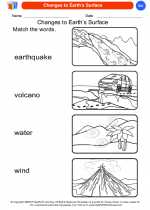 Changes to Earth's Surface Coloring Worksheet
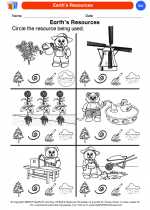 Earth's Resources Coloring Worksheet
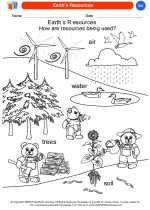 Earth's Resources Coloring Worksheet
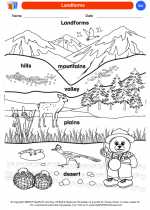 Landforms Coloring Worksheet
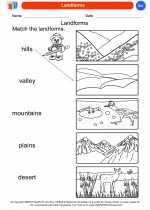 Landforms Coloring Worksheet
 Our Earth Coloring Worksheet
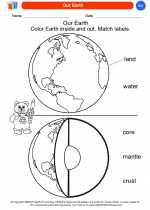 Our Earth Coloring Worksheet
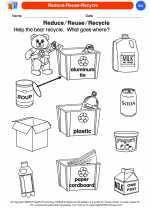 Reduce-Reuse-Recycle Coloring Worksheet
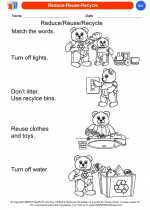 Reduce-Reuse-Recycle Coloring Worksheet
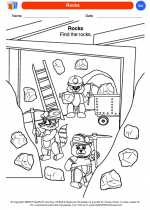 Rocks Coloring Worksheet
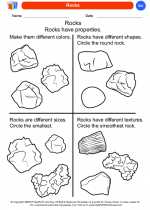 Rocks Coloring Worksheet
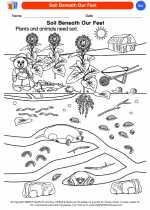 Soil Beneath Our Feet Coloring Worksheet
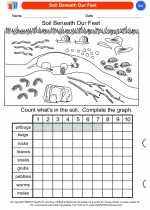 Soil Beneath Our Feet Coloring Worksheet
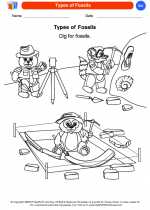 Types of Fossils Coloring Worksheet
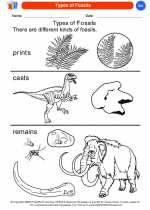 Types of Fossils Coloring Worksheet
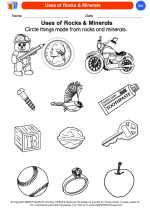 Uses of Rocks & Minerals Coloring Worksheet
 Uses of Rocks & Minerals Coloring Worksheet
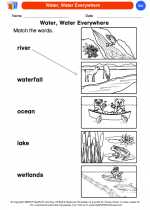 Water, Water Everywhere Coloring Worksheet
 Water, Water Everywhere
Coloring WorksheetColoring WorksheetColoring WorksheetColoring WorksheetColoring WorksheetColoring WorksheetColoring WorksheetColoring WorksheetColoring WorksheetColoring WorksheetColoring WorksheetColoring WorksheetColoring WorksheetColoring WorksheetColoring WorksheetColoring WorksheetColoring WorksheetColoring WorksheetColoring WorksheetThe resources above cover the following skills:
EARTH AND SPACE SCIENCE (NGSS)
Earth and Human Activity
Students who demonstrate understanding can:
Communicate solutions that will reduce the impact of humans on the land, water, air, and/or other living things in the local environment.