Possessive
In English grammar, the possessive form is used to show ownership or possession of something. It is typically formed by adding an apostrophe and the letter "s" ('s) to the end of a singular noun, or just an apostrophe to the end of a plural noun that already ends in "s".
Examples:
Singular Possessive: The boy's hat
Plural Possessive: The girls' toys
Study Guide:
- Understanding Ownership: Discuss with students the concept of ownership and possession. Give examples of things that they own and how they would show possession using the possessive form.
- Forming Singular Possessive: Teach students how to form the possessive of singular nouns by adding 's at the end of the noun. Provide plenty of examples for practice.
- Forming Plural Possessive: Explain the rules for forming the possessive of plural nouns that end in "s". Show examples of adding just an apostrophe after the "s" to indicate possession.
- Irregular Possessive Forms: Introduce irregular possessive forms such as "children's" and "men's" to demonstrate that not all possessive forms follow the same pattern.
- Using Apostrophes Correctly: Teach students about the correct placement of apostrophes in possessive forms and provide exercises to practice this skill.
- Application and Practice: Provide students with sentences and paragraphs where they have to identify and correct the possessive forms of nouns. Encourage them to create their own sentences using possessive forms.
- Assessment: Evaluate students' understanding of possessive forms through quizzes, worksheets, and activities that require them to demonstrate their knowledge of forming and using possessive nouns.
[Possessive] Related Worksheets and Study Guides:
.◂English Language Arts Worksheets and Study Guides Fourth Grade. Daily Spiral Review (30)
Worksheet/Answer key Daily Spiral Review 1
  Worksheet/Answer key
 Daily Spiral Review 2 Worksheet/Answer key
 Daily Spiral Review 3 Worksheet/Answer key
 Daily Spiral Review 4 Worksheet/Answer key
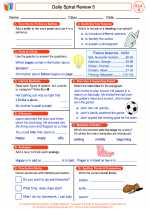 Daily Spiral Review 5 Worksheet/Answer key
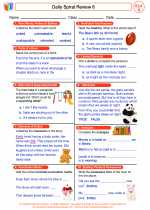 Daily Spiral Review 6 Worksheet/Answer key
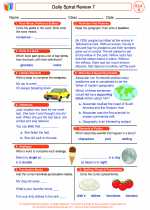 Daily Spiral Review 7 Worksheet/Answer key
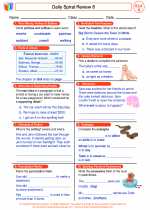 Daily Spiral Review 8 Worksheet/Answer key
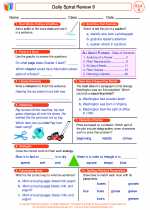 Daily Spiral Review 9 Worksheet/Answer key
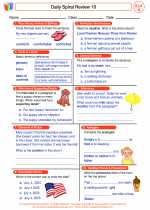 Daily Spiral Review 10 Worksheet/Answer key
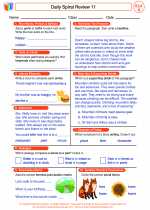 Daily Spiral Review 11 Worksheet/Answer key
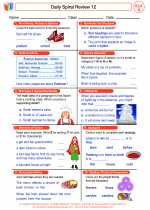 Daily Spiral Review 12 Worksheet/Answer key
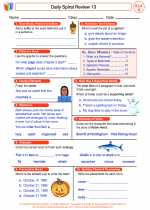 Daily Spiral Review 13 Worksheet/Answer key
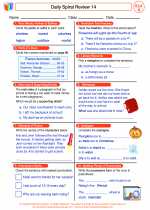 Daily Spiral Review 14 Worksheet/Answer key
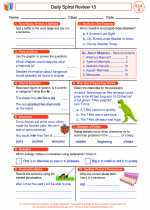 Daily Spiral Review 15 Worksheet/Answer key
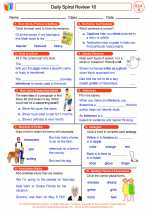 Daily Spiral Review 16 Worksheet/Answer key
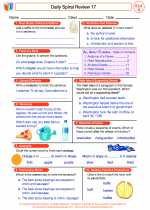 Daily Spiral Review 17 Worksheet/Answer key
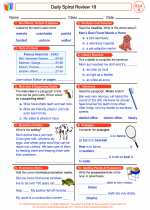 Daily Spiral Review 18 Worksheet/Answer key
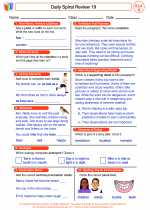 Daily Spiral Review 19 Worksheet/Answer key
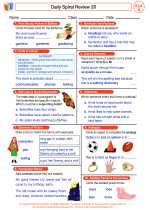 Daily Spiral Review 20 Worksheet/Answer key
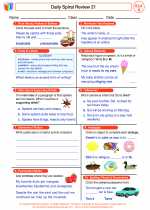 Daily Spiral Review 21 Worksheet/Answer key
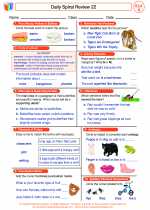 Daily Spiral Review 22 Worksheet/Answer key
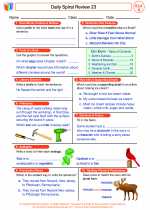 Daily Spiral Review 23 Worksheet/Answer key
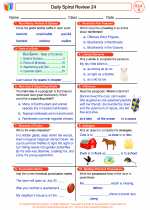 Daily Spiral Review 24 Worksheet/Answer key
 Daily Spiral Review 25 Worksheet/Answer key
 Daily Spiral Review 26 Worksheet/Answer key
 Daily Spiral Review 27 Worksheet/Answer key
 Daily Spiral Review 28 Worksheet/Answer key
 Daily Spiral Review 29 Worksheet/Answer key
 Daily Spiral Review 30
Worksheet/Answer keyWorksheet/Answer keyWorksheet/Answer keyWorksheet/Answer keyWorksheet/Answer keyWorksheet/Answer keyWorksheet/Answer keyWorksheet/Answer keyWorksheet/Answer keyWorksheet/Answer keyWorksheet/Answer keyWorksheet/Answer keyWorksheet/Answer keyWorksheet/Answer keyWorksheet/Answer keyWorksheet/Answer keyWorksheet/Answer keyWorksheet/Answer keyWorksheet/Answer keyWorksheet/Answer keyWorksheet/Answer keyWorksheet/Answer keyWorksheet/Answer keyWorksheet/Answer keyWorksheet/Answer keyWorksheet/Answer keyWorksheet/Answer keyWorksheet/Answer keyWorksheet/Answer key