Limerick Study Guide
What is a Limerick?
A limerick is a type of humorous and often nonsensical poem consisting of five lines. It follows a specific rhyme scheme and rhythm, and typically contains a pun or some form of wordplay. Limericks are known for their bawdy and humorous content and have been a popular form of poetry for centuries.
Limerick Structure:
A limerick follows a specific structure:
- First line (A): The first line sets the scene or introduces the main character.
- Second line (A): The second line continues the story or description.
- Third line (B): The third line introduces a twist or development in the story.
- Fourth line (B): The fourth line adds further complexity or humor.
- Fifth line (A): The fifth line provides a humorous or unexpected conclusion.
Limerick Rhyme and Rhythm:
The rhyme scheme of a limerick is AABBA, where the first, second, and fifth lines rhyme with each other, and the third and fourth lines rhyme with each other. In terms of rhythm, limericks often have a specific meter, known as anapestic meter, which follows the pattern of two short syllables followed by a long syllable (da-da-DUM).
Examples of Limericks:
Here's an example of a classic limerick:
There once was a man from Nantucket (A)
Who kept all his cash in a bucket (A)
But his daughter, named Nan (B)
Ran away with a man (B)
And as for the bucket, Nantucket. (A)
How to Write a Limerick:
To write a limerick, follow these steps:
- Think of a humorous or nonsensical idea for your limerick.
- Brainstorm words that rhyme with each other to create the AABBA rhyme scheme.
- Write the first line, setting the scene or introducing the main character.
- Continue with the second and third lines, introducing a twist or development in the story.
- Add further complexity or humor in the fourth line.
- Finish with a humorous or unexpected conclusion in the fifth line.
[Limerick] Related Worksheets and Study Guides:
.◂English Language Arts Worksheets and Study Guides Fourth Grade. Drawing Conclusions
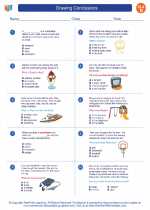
 Worksheet/Answer key
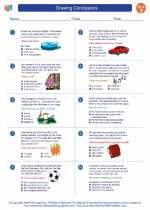 Worksheet/Answer key