Linking Verbs
A linking verb is a verb that connects the subject of a sentence to a subject complement. Unlike action verbs, linking verbs do not show action. Instead, they link the subject to a noun, pronoun, or adjective that renames or describes the subject.
Examples of Linking Verbs
- Common linking verbs: be, am, is, are, was, were, seem, become, appear, feel, look, sound, taste, smell
- Example sentences:
- Sarah is a doctor. (The linking verb "is" connects the subject "Sarah" to the subject complement "doctor.")
- The flowers smell sweet. (The linking verb "smell" connects the subject "flowers" to the subject complement "sweet.")
Study Guide
Here are some tips for identifying and using linking verbs:
- Recognizing linking verbs: Look for verbs that do not show action but instead connect the subject to a subject complement.
- Subject complements: Identify the words that come after linking verbs and rename or describe the subject.
- Practice: Review sentences and identify the linking verbs and subject complements.
- Usage: Use linking verbs to connect the subject to a subject complement in your own writing.
By understanding and identifying linking verbs, you can improve your writing and communication skills.
[Linking Verbs] Related Worksheets and Study Guides:
.◂English Language Arts Worksheets and Study Guides Fifth Grade. Daily Spiral Review (30)
Worksheet/Answer key Daily Spiral Review 1
  Worksheet/Answer key
 Daily Spiral Review 2 Worksheet/Answer key
 Daily Spiral Review 3 Worksheet/Answer key
 Daily Spiral Review 4 Worksheet/Answer key
 Daily Spiral Review 5 Worksheet/Answer key
 Daily Spiral Review 6 Worksheet/Answer key
 Daily Spiral Review 7 Worksheet/Answer key
 Daily Spiral Review 8 Worksheet/Answer key
 Daily Spiral Review 9 Worksheet/Answer key
 Daily Spiral Review 10 Worksheet/Answer key
 Daily Spiral Review 11 Worksheet/Answer key
 Daily Spiral Review 12 Worksheet/Answer key
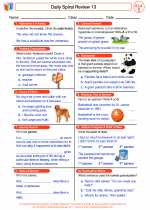 Daily Spiral Review 13 Worksheet/Answer key
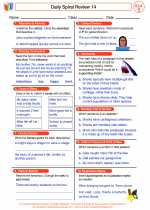 Daily Spiral Review 14 Worksheet/Answer key
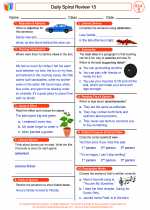 Daily Spiral Review 15 Worksheet/Answer key
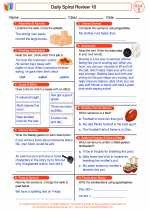 Daily Spiral Review 16 Worksheet/Answer key
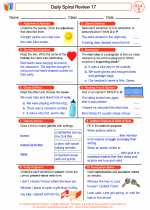 Daily Spiral Review 17 Worksheet/Answer key
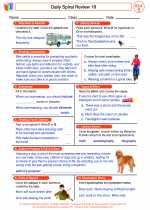 Daily Spiral Review 18 Worksheet/Answer key
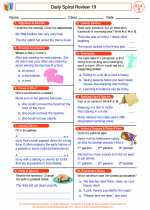 Daily Spiral Review 19 Worksheet/Answer key
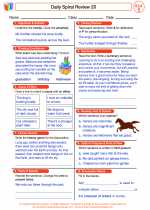 Daily Spiral Review 20 Worksheet/Answer key
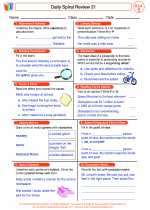 Daily Spiral Review 21 Worksheet/Answer key
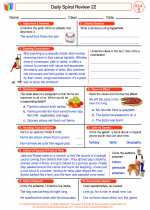 Daily Spiral Review 22 Worksheet/Answer key
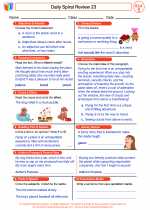 Daily Spiral Review 23 Worksheet/Answer key
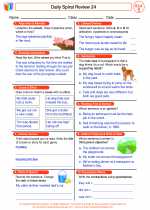 Daily Spiral Review 24 Worksheet/Answer key
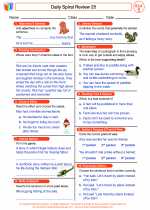 Daily Spiral Review 25 Worksheet/Answer key
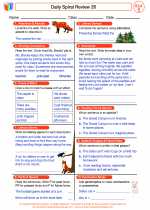 Daily Spiral Review 26 Worksheet/Answer key
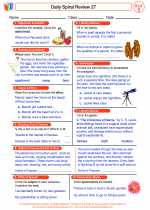 Daily Spiral Review 27 Worksheet/Answer key
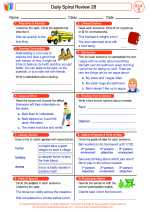 Daily Spiral Review 28 Worksheet/Answer key
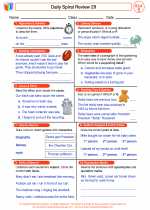 Daily Spiral Review 29 Worksheet/Answer key
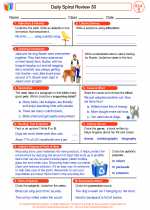 Daily Spiral Review 30
Worksheet/Answer keyWorksheet/Answer keyWorksheet/Answer keyWorksheet/Answer keyWorksheet/Answer keyWorksheet/Answer keyWorksheet/Answer keyWorksheet/Answer keyWorksheet/Answer keyWorksheet/Answer keyWorksheet/Answer keyWorksheet/Answer keyWorksheet/Answer keyWorksheet/Answer keyWorksheet/Answer keyWorksheet/Answer keyWorksheet/Answer keyWorksheet/Answer keyWorksheet/Answer keyWorksheet/Answer keyWorksheet/Answer keyWorksheet/Answer keyWorksheet/Answer keyWorksheet/Answer keyWorksheet/Answer keyWorksheet/Answer keyWorksheet/Answer keyWorksheet/Answer keyWorksheet/Answer key