Drama: An Explanation and Study Guide
What is Drama?
Drama is a form of literature that is intended to be performed by actors on a stage or in front of an audience. It is a genre that tells a story through the actions and dialogue of characters, often with the use of theatrical elements such as sets, costumes, and props.
Key Elements of Drama
- Plot: The sequence of events that make up the story.
- Characters: The individuals who take part in the action of the story.
- Dialogue: The spoken words of the characters.
- Setting: The time and place in which the events of the play occur.
- Stage Directions: Instructions in the script that indicate how the play should be performed, including movements, expressions, and gestures.
- Conflict: The struggle or problem that drives the plot forward.
- Theme: The central idea or message of the play.
Types of Drama
There are several types of drama, including:
- Tragedy: A serious play with a sad and often tragic ending.
- Comedy: A lighthearted play with a happy ending, often involving humor and wit.
- Tragicomedy: A play that combines elements of both tragedy and comedy.
- Musical: A play that includes songs and musical numbers as part of the storytelling.
Studying Drama
When studying drama, it's important to consider the following:
- Read and analyze the script to understand the plot, characters, and themes.
- Consider the historical and cultural context in which the play was written.
- Explore how the play would be performed on stage, including the use of props, lighting, and sound effects.
- Discuss the motivations and relationships of the characters, as well as the conflicts they face.
- Pay attention to the language and dialogue used by the characters to convey emotions and drive the story forward.
Conclusion
Studying drama offers a unique opportunity to delve into the world of storytelling through performance. By understanding the key elements and types of drama, students can gain a deeper appreciation for the art of theater and the impact it has on both the performers and the audience.
.◂English Language Arts Worksheets and Study Guides Fifth Grade. Opinion/Exaggeration/Missing Info
Worksheet/Answer key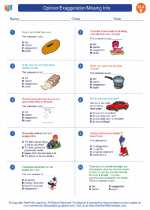 Opinion/Exaggeration/Missing Info.
  Worksheet/Answer key
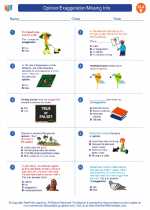 Opinion/Exaggeration/Missing Info. Worksheet/Answer key
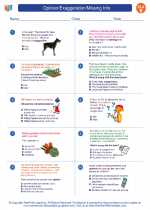 Opinion/Exaggeration/Missing Info.
Worksheet/Answer keyWorksheet/Answer keyThe resources above cover the following skills:
Reading Standards for Literature
Craft and Structure
Determine the meaning of words and phrases as they are used in a text, including use of figurative language and literary devices (e.g., imagery, metaphors, analogies, hyperbole).