Rhythm
Rhythm is a fundamental concept in music and poetry. It refers to the pattern of sounds and silences in a piece of music or poetry, and it is created through the arrangement of stressed and unstressed syllables, as well as the duration of musical notes and rests.
Types of Rhythm
There are several types of rhythm:
- Musical Rhythm: In music, rhythm is created through the arrangement of notes, rests, and beats. It is the pattern of sounds and silences that gives music its groove and sense of movement.
- Poetic Rhythm: In poetry, rhythm is created through the arrangement of stressed and unstressed syllables. This creates a musical quality in the language and contributes to the overall flow and structure of the poem.
Study Guide
Here are some key points to remember when studying rhythm:
- Identify the stressed and unstressed syllables in a line of poetry or a piece of music.
- Understand the concept of meter in poetry, which refers to the pattern of stressed and unstressed syllables in a line of verse.
- Practice clapping or tapping along to the rhythm of a piece of music to internalize the pattern of beats and accents.
- Listen to various styles of music and identify the different rhythmic patterns present in each genre.
- Analyze the use of rhythm in famous poems and songs to understand how it contributes to the overall meaning and mood of the piece.
Conclusion
Rhythm is a crucial element in music and poetry, and understanding its patterns and variations can greatly enhance one's appreciation of these art forms. By studying and practicing rhythm, one can develop a deeper understanding of the structure and meaning within musical compositions and poetic works.
[Rhythm] Related Worksheets and Study Guides:
.◂English Language Arts Worksheets and Study Guides Sixth Grade. Cause/Effect, Fact/Opinion
Study Guide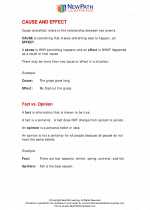 Cause/Effect, Fact/Opinion
  Activity Lesson
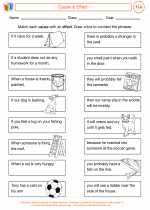 Cause and Effect Worksheet/Answer key
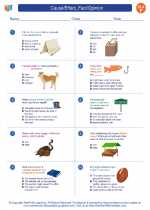 Cause/Effect, Fact/Opinion Worksheet/Answer key
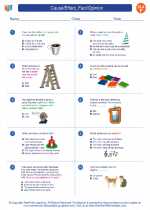 Cause/Effect, Fact/Opinion Worksheet/Answer key
 Cause/Effect, Fact/Opinion Worksheet/Answer key
 Mountain Thinking Worksheet/Answer key
 Letter to a Character
Activity LessonWorksheet/Answer keyWorksheet/Answer keyWorksheet/Answer keyWorksheet/Answer keyWorksheet/Answer keyThe resources above cover the following skills:
Reading Standards for Literacy in History/Social Studies
Integration of Knowledge and Ideas
Distinguish among fact, opinion, and reasoned judgment in a text.