Nucleus
The nucleus is a membrane-bound organelle found in eukaryotic cells. It serves as the control center of the cell, housing the cell's genetic material and directing cellular activities.
Structure of the Nucleus
- Nuclear Envelope: The nucleus is surrounded by a double membrane called the nuclear envelope, which separates the contents of the nucleus from the cytoplasm.
- Nuclear Pores: These are protein-lined channels that allow for the exchange of materials between the nucleus and the cytoplasm.
- Nucleoplasm: The semi-fluid matrix within the nucleus where the genetic material and nucleolus are found.
- Chromatin: The complex of DNA and proteins that makes up the genetic material of the nucleus. It condenses to form chromosomes during cell division.
- Nucleolus: A prominent structure within the nucleus that is involved in ribosome synthesis.
Functions of the Nucleus
The nucleus plays several important roles in the cell, including:
- Genetic Information: It houses the cell's DNA, which contains the instructions for making proteins and controlling cellular functions.
- Ribosome Synthesis: The nucleolus is involved in the production of ribosomes, which are essential for protein synthesis.
- Cellular Regulation: The nucleus regulates gene expression, cell growth, and cell division through processes such as DNA replication and transcription.
Study Guide
Here are some key points to remember when studying the nucleus:
- Describe the structure of the nucleus, including its envelope, pores, nucleoplasm, chromatin, and nucleolus.
- Explain the functions of the nucleus, focusing on genetic information storage, ribosome synthesis, and cellular regulation.
- Discuss the importance of the nucleus in controlling cellular activities and maintaining genetic integrity.
- Compare and contrast the structure and functions of the nucleus in eukaryotic cells versus prokaryotic cells.
Understanding the nucleus is crucial for comprehending the inner workings of eukaryotic cells and the processes that govern cellular functions and inheritance.
.◂Science Worksheets and Study Guides First Grade. Math in Science
Study Guide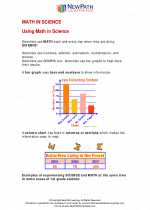 Math in Science - 1st grade level
  Worksheet/Answer key
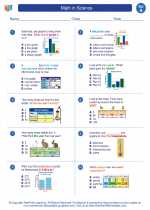 Math in Science - 1st grade level Worksheet/Answer key
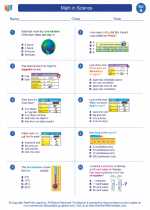 Math in Science - 1st grade level Worksheet/Answer key
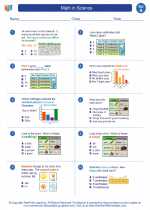 Math in Science - 1st grade level
Worksheet/Answer keyWorksheet/Answer keyWorksheet/Answer keyThe resources above cover the following skills:
EARTH AND SPACE SCIENCE
Earth’s Place in the Universe
Observe seasonal patterns of sunrise and sunset to describe the relationship between the number of hours of daylight and the time of year (e.g., more hours of daylight during summer as compared to winter).