Kingdom in Science
In science, the concept of "kingdom" is used to classify living organisms into different groups based on their characteristics. The classification of living organisms helps scientists and researchers to understand the diversity of life on Earth and to study the relationships between different species.
Classification of Living Organisms
Living organisms are classified into different kingdoms based on their cell type, structure, mode of nutrition, and other characteristics. The five major kingdoms are:
- Animalia: This kingdom includes multicellular organisms that are heterotrophic, meaning they depend on other organisms for food. They do not have cell walls and are capable of movement.
- Plantae: This kingdom includes multicellular organisms that are autotrophic, meaning they can produce their own food through photosynthesis. They have cell walls and are stationary.
- Fungi: This kingdom includes organisms such as mushrooms and molds that are heterotrophic and have cell walls. They obtain nutrients by decomposing organic matter.
- Protista: This kingdom includes diverse, mostly unicellular organisms that do not fit into the other kingdoms. They may be autotrophic or heterotrophic.
- Monera: This kingdom includes unicellular organisms such as bacteria. They lack a true nucleus and other membrane-bound organelles.
Study Guide
To understand the concept of "kingdom" in science, it's important to study the following aspects:
- Characteristics of Each Kingdom: Learn about the defining characteristics of each kingdom, including their cell type, mode of nutrition, and examples of organisms belonging to each kingdom.
- Classification System: Understand the hierarchical classification system used to organize living organisms into different kingdoms, phyla, classes, orders, families, genera, and species.
- Importance of Classification: Explore the reasons why the classification of living organisms is important for scientific research, conservation efforts, and understanding biodiversity.
- Classification Activities: Engage in activities such as sorting and classifying different organisms based on their characteristics to reinforce the concept of kingdom in science.
By mastering the concept of "kingdom" in science, you will gain a deeper understanding of the diversity of life and the interconnectedness of living organisms on Earth.
[Kingdom] Related Worksheets and Study Guides:
.◂Science Worksheets and Study Guides Third Grade. Natural Resources
Lesson Plan Natural Resources - Bundle
  Study Guide
 Natural resources Worksheet/Answer key
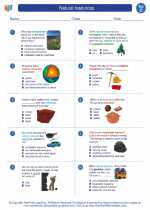 Natural resources Worksheet/Answer key
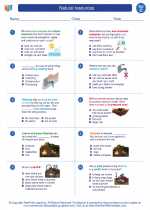 Natural resources Worksheet/Answer key
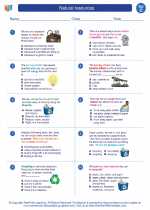 Natural resources Vocabulary/Answer key
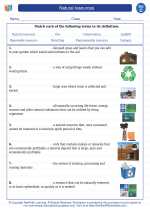 Natural resources
Study GuideWorksheet/Answer keyWorksheet/Answer keyWorksheet/Answer keyVocabulary/Answer keyThe resources above cover the following skills:
Core Ideas for Using Science
Applications of science often have both positive and negative ethical, social, economic, and/or political implications.