Autotrophs
Autotrophs are organisms that are able to produce their own food using inorganic materials like water, carbon dioxide, and sunlight. They are the foundation of the food chain and are essential for the survival of all other living organisms.
Types of Autotrophs
There are two main types of autotrophs:
- Photosynthetic Autotrophs: These organisms, such as plants, algae, and some bacteria, use sunlight to convert carbon dioxide and water into glucose and oxygen through the process of photosynthesis.
- Chemosynthetic Autotrophs: These organisms, such as certain bacteria and archaea, use energy obtained from chemical reactions to synthesize organic compounds from inorganic substances. They are commonly found in extreme environments such as deep-sea hydrothermal vents.
Role in the Ecosystem
Autotrophs play a crucial role in the ecosystem as primary producers. They form the base of the food chain by providing energy-rich organic compounds that are consumed by heterotrophs, which cannot produce their own food. Without autotrophs, the entire food web would collapse, leading to the extinction of most other organisms.
Study Guide
Here are some key points to remember about autotrophs:
- Describe the two main types of autotrophs and their respective methods of food production.
- Explain the significance of autotrophs in the food chain and the ecosystem.
- Compare and contrast photosynthetic and chemosynthetic autotrophs in terms of their energy sources.
- Provide examples of common photosynthetic and chemosynthetic autotrophs.
- Discuss the adaptations that allow autotrophs to carry out their food production processes efficiently.
Understanding the role of autotrophs in the ecosystem is fundamental to comprehending the interdependence of living organisms and the flow of energy through the natural world.
.◂Science Worksheets and Study Guides Fourth Grade. Cells: The Building Blocks of Living Things
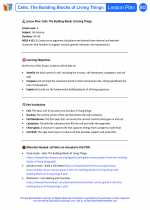
 Study Guide
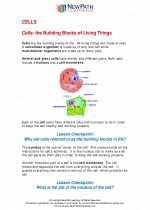 Activity Lesson
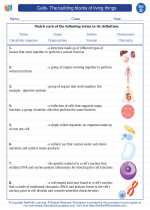
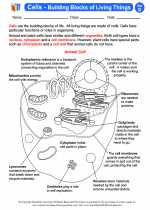 Worksheet/Answer key
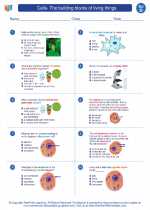 Worksheet/Answer key
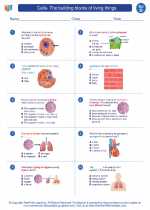 Worksheet/Answer key
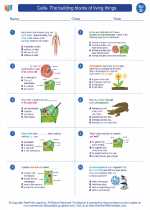 Worksheet/Answer key
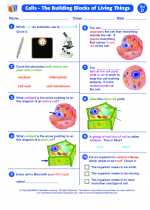 Worksheet/Answer key
 Vocabulary/Answer key
 Vocabulary/Answer key
 Vocabulary/Answer key