Solar Energy
Solar energy is a renewable and sustainable source of power that is harnessed from the sun's rays. It is a clean and abundant source of energy that can be used to generate electricity, heat water, and power various applications.
How Solar Energy Works
When sunlight hits a solar panel, it is absorbed by the photovoltaic cells within the panel. These cells convert the sunlight into direct current (DC) electricity. An inverter then converts the DC electricity into alternating current (AC) electricity, which is used to power homes, businesses, and other facilities.
Advantages of Solar Energy
- Renewable and Sustainable: Solar energy is an abundant resource that will never run out.
- Clean and Environmentally Friendly: Solar energy production does not produce greenhouse gases or air pollutants.
- Reduced Electricity Bills: By using solar energy, individuals and businesses can reduce their reliance on grid electricity and lower their utility bills.
- Low Maintenance: Solar panels require minimal maintenance and have a long lifespan.
Applications of Solar Energy
Solar energy can be used for a variety of purposes, including:
- Generating electricity for residential, commercial, and industrial use
- Heating water for homes and swimming pools
- Powering outdoor lighting and remote areas through solar-powered systems
- Charging electronic devices using portable solar chargers
Study Guide
Here are some key points to remember when studying solar energy:
- Describe how solar energy is harnessed and converted into electricity.
- List the advantages of using solar energy as a renewable resource.
- Identify different applications of solar energy in everyday life.
- Explain the environmental benefits of using solar energy.
- Discuss the potential challenges and limitations of solar energy implementation.
Understanding the principles of solar energy can help us appreciate the importance of transitioning to sustainable energy sources for a cleaner and greener future.
.◂Science Worksheets and Study Guides Fourth Grade. Cells: The Building Blocks of Living Things
 Study Guide
 Activity Lesson
 Worksheet/Answer key
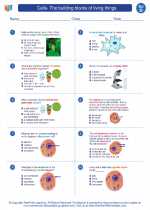 Worksheet/Answer key
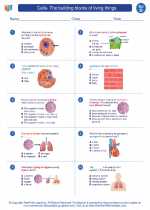 Worksheet/Answer key
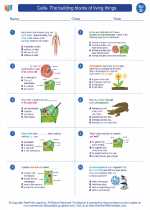 Worksheet/Answer key
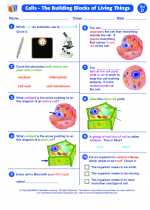 Worksheet/Answer key
 Vocabulary/Answer key
 Vocabulary/Answer key
 Vocabulary/Answer key