Genetic Engineering
Definition: Genetic engineering, also known as genetic modification, is the process of altering the genetic makeup of an organism by manipulating its DNA. This involves the introduction of specific genes or removal of existing ones to achieve desired traits or characteristics.
Key Concepts:
- Genes and DNA: Genetic engineering involves the manipulation of genes, which are specific sequences of DNA that determine the traits of an organism.
- Techniques: There are various techniques used in genetic engineering, including gene splicing, CRISPR-Cas9, and gene editing technologies.
- Applications: Genetic engineering has a wide range of applications, including crop improvement, disease resistance, pharmaceutical production, and bioremediation.
- Ethical Considerations: The use of genetic engineering raises ethical concerns related to the potential impact on ecosystems, biodiversity, and human health.
Study Guide:
Here are some key topics to focus on when studying genetic engineering:
- Understand the structure of DNA and the role of genes in determining traits.
- Learn about the different techniques used in genetic engineering, such as gene splicing and CRISPR-Cas9.
- Explore the various applications of genetic engineering in agriculture, medicine, and other fields.
- Consider the ethical implications of genetic engineering and its potential impact on society and the environment.
Further research and study into the latest developments in genetic engineering, as well as its ethical and societal implications, will provide a comprehensive understanding of this complex and evolving field.
Good luck with your studies!
.◂Science Worksheets and Study Guides Fourth Grade. Light and Sound
Lesson Plan Light and Sound - Bundle
  Study Guide
 Light and sound Worksheet/Answer key
 Light and sound Worksheet/Answer key
 Light and sound Worksheet/Answer key
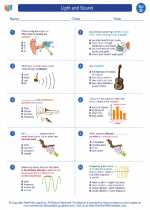 Light and sound Vocabulary/Answer key
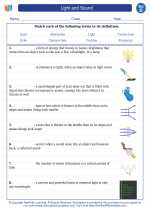 Light and sound Vocabulary/Answer key
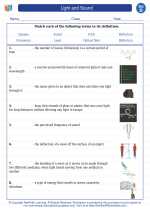 Light and sound Vocabulary/Answer key
 Light and sound
Study GuideWorksheet/Answer keyWorksheet/Answer keyWorksheet/Answer keyVocabulary/Answer keyVocabulary/Answer keyVocabulary/Answer keyThe resources above cover the following skills:
PHYSICAL SCIENCE (NGSS)
Waves and their Applications in Technologies for Information Transfer
Students who demonstrate understanding can:
Develop a model of waves to describe patterns in terms of amplitude and wavelength and that waves can cause objects to move.