Calderas: Study Guide
Introduction to Calderas
A caldera is a large volcanic crater, typically formed by a major eruption leading to the collapse of the mouth of the volcano. They are often characterized by steep walls and may contain one or more central vents or resurgent domes.
Formation of Calderas
Calderas are formed through several processes, including:
- Explosive volcanic eruptions
- Collapse of the volcanic structure
- Subsidence of the ground surface
Types of Calderas
There are several types of calderas, including:
- Resurgent Calderas
- Subsidence Calderas
- Uplift Calderas
- Complex Calderas
Examples of Calderas
Some famous calderas around the world include:
- Yellowstone Caldera in the United States
- Crater Lake Caldera in Oregon, United States
- Santorini Caldera in Greece
- Valles Caldera in New Mexico, United States
Study Tips
To effectively study calderas, consider the following tips:
- Understand the geological processes that lead to caldera formation
- Review the different types of calderas and their unique characteristics
- Explore case studies of famous calderas to understand their geological significance
- Utilize visual aids such as diagrams and maps to visualize caldera structures
- Discuss the potential hazards associated with calderas, such as volcanic eruptions and geothermal activity
Conclusion
Calderas are fascinating geological features that provide valuable insights into volcanic activity and earth processes. By understanding the formation and characteristics of calderas, we can better comprehend the dynamic nature of our planet.
[Calderas] Related Worksheets and Study Guides:
.◂Science Worksheets and Study Guides Seventh Grade. Sound
Worksheet/Answer key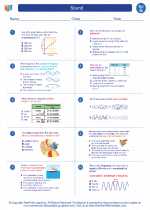 Sound
Sound  Worksheet/Answer key
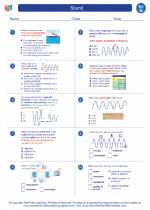 Sound Worksheet/Answer key
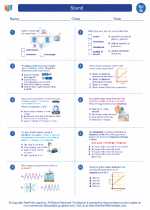 Sound Vocabulary/Answer key
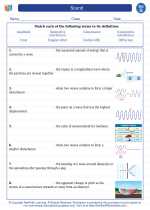 Sound Vocabulary/Answer key
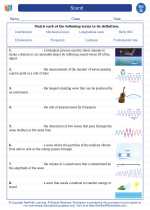 Sound Vocabulary/Answer key
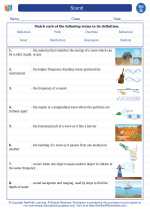 Sound Vocabulary/Answer key
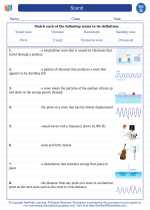 Sound
Sound
Worksheet/Answer keyWorksheet/Answer keyVocabulary/Answer keyVocabulary/Answer keyVocabulary/Answer keyVocabulary/Answer keyThe resources above cover the following skills:
Skills and Processes: Students will demonstrate the thinking and acting inherent in the practice of science.
Applying Evidence and Reasoning: Review data from a simple experiment, summarize the data, and construct a logical argument about the cause-and-effect relationships in the experiment.
Describe the reasoning that lead to the interpretation of data and conclusions drawn.