Mutualism
Mutualism is a type of symbiotic relationship between two different species in which both organisms benefit from the interaction. This mutually beneficial relationship can occur between animals, plants, fungi, and bacteria.
Examples of Mutualism
- Pollination: Bees and flowers have a mutualistic relationship where bees obtain nectar and pollen from the flowers while helping in the pollination process.
- Clownfish and Sea Anemone: Clownfish are protected by sea anemones and, in turn, they help to attract prey for the anemones and remove parasites from them.
- Legume Plants and Nitrogen-Fixing Bacteria: Legume plants provide a habitat for nitrogen-fixing bacteria in their roots, and the bacteria provide the plants with usable nitrogen compounds.
Study Guide for Mutualism
- Define mutualism and provide examples of mutualistic relationships in nature.
- Explain how mutualism differs from other types of symbiotic relationships, such as commensalism and parasitism.
- Discuss the ecological significance of mutualism and its role in maintaining ecosystem stability.
- Explore the evolutionary implications of mutualistic relationships and how they have shaped the diversity of life on Earth.
- Research human interactions with mutualistic organisms, such as the use of bacteria in food production and the role of pollinators in agriculture.
Understanding the concept of mutualism is essential for comprehending the interconnectedness of living organisms and their environments. It also highlights the importance of cooperation and interdependence in the natural world.
.◂Science Worksheets and Study Guides Eighth Grade. The nervous system
Study Guide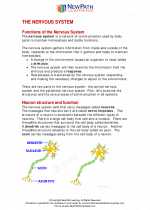 The nervous system
  Worksheet/Answer key
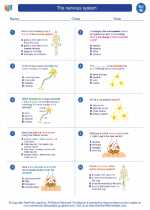 The nervous system Worksheet/Answer key
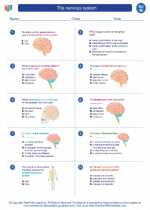 The nervous system Worksheet/Answer key
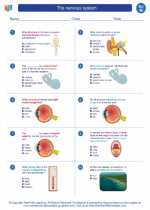 The nervous system Vocabulary/Answer key
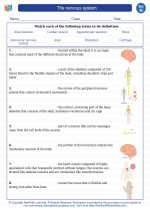 The nervous system Vocabulary/Answer key
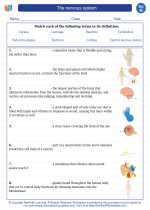 The nervous system Vocabulary/Answer key
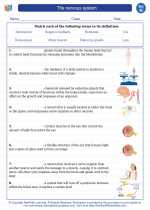 The nervous system Vocabulary/Answer key
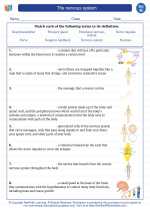 The nervous system Vocabulary/Answer key
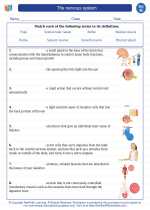 The nervous system Vocabulary/Answer key
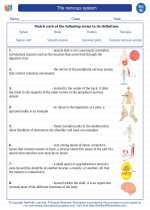 The nervous system
Worksheet/Answer keyWorksheet/Answer keyWorksheet/Answer keyVocabulary/Answer keyVocabulary/Answer keyVocabulary/Answer keyVocabulary/Answer keyVocabulary/Answer keyVocabulary/Answer key