Customs and Traditions
Customs and traditions are the practices and rituals that a group of people follow in their daily lives. These customs and traditions are often passed down from generation to generation and are an important part of a group's culture.
Types of Customs and Traditions
There are many different types of customs and traditions, including:
- Religious customs: These are practices and rituals that are based on a group's religious beliefs, such as prayer, fasting, and holiday celebrations.
- Social customs: These are traditions that govern how people interact with each other, such as greeting customs, gift-giving customs, and rules of hospitality.
- Cultural traditions: These are customs that are specific to a particular culture, such as traditional clothing, food, and music.
Why Customs and Traditions are Important
Customs and traditions are important because they help to create a sense of identity and belonging within a group. They also provide a way for people to connect with their past and preserve their cultural heritage. Additionally, customs and traditions often play a role in bringing people together and strengthening social bonds.
Study Guide
- What are customs and traditions?
- Give examples of religious customs.
- Explain the importance of customs and traditions.
Answers
- Customs and traditions are the practices and rituals that a group of people follow in their daily lives.
- Examples of religious customs include prayer, fasting, and holiday celebrations.
- Customs and traditions are important because they help to create a sense of identity and belonging within a group, preserve cultural heritage, and strengthen social bonds.
◂Social Studies Worksheets and Study Guides Fifth Grade. States and Capitals
Study Guide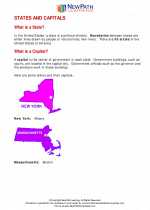 States and Capitals
  Worksheet/Answer key
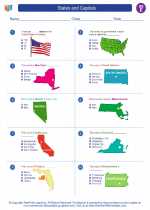 States and Capitals Worksheet/Answer key
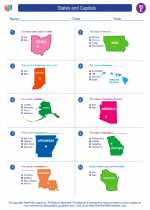 States and Capitals Worksheet/Answer key
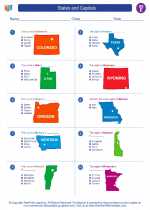 States and Capitals
Worksheet/Answer keyWorksheet/Answer keyWorksheet/Answer keyThe resources above cover the following skills:
Geography: A student should be able to utilize, analyze, and explain information about the human and physical features of places and regions. A student who meets the content standard should:
Understand that a region is a distinct area defined by one or more cultural or physical features.