Passage: Explanation and Study Guide
A passage refers to a section of text, usually from a literary work or a written document. It can be a paragraph, a few paragraphs, or an entire chapter from a book. Understanding and analyzing passages is an important skill in English Language Arts as it helps in comprehension, critical thinking, and literary analysis.
How to Analyze a Passage
- Read the Passage: Read the passage carefully and pay attention to the details, characters, setting, and the main idea presented.
- Identify the Main Idea: Determine the central theme or message conveyed in the passage.
- Analyze the Language: Look for literary devices such as similes, metaphors, imagery, and symbolism that the author may have used to convey meaning.
- Consider the Tone and Mood: Determine the emotional atmosphere and the author's attitude towards the subject matter.
- Look for Character Development: If the passage includes characters, analyze their traits, motivations, and relationships.
- Draw Inferences: Make logical deductions and inferences based on the information provided in the passage.
Study Guide for Analyzing Passages
Here are some questions to consider when analyzing a passage:
- What is the main idea or theme of the passage?
- How does the author use language to convey meaning?
- What is the tone and mood of the passage?
- How do the characters contribute to the development of the passage?
- What inferences can be made based on the information provided?
By analyzing passages effectively, students can improve their reading comprehension skills, critical thinking abilities, and gain a deeper understanding of literary works.
[Passage] Related Worksheets and Study Guides:
.◂English Language Arts Worksheets and Study Guides Sixth Grade. Cause/Effect, Fact/Opinion
Study Guide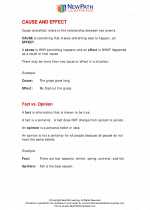 Cause/Effect, Fact/Opinion
  Activity Lesson
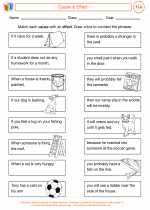 Cause and Effect Worksheet/Answer key
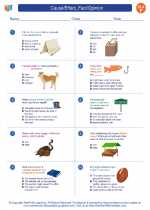 Cause/Effect, Fact/Opinion Worksheet/Answer key
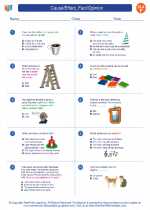 Cause/Effect, Fact/Opinion Worksheet/Answer key
 Cause/Effect, Fact/Opinion Worksheet/Answer key
 Mountain Thinking Worksheet/Answer key
 Letter to a Character
Activity LessonWorksheet/Answer keyWorksheet/Answer keyWorksheet/Answer keyWorksheet/Answer keyWorksheet/Answer keyThe resources above cover the following skills:
Reading Standards for Literacy in History/Social Studies
Integration of Knowledge and Ideas
Distinguish among fact, opinion, and reasoned judgment in a text.