Pollution
Pollution is the introduction of harmful substances or products into the environment. It can cause harm to living organisms and disrupt the natural balance of ecosystems. Pollution can come from various sources, including human activities, industrial processes, and natural events.
Types of Pollution
- Air Pollution: This type of pollution occurs when harmful gases, smoke, or dust are released into the atmosphere, often as a result of industrial processes and vehicle emissions.
- Water Pollution: Water bodies can be contaminated by the release of chemicals, waste products, and other pollutants, leading to the degradation of aquatic ecosystems and posing health risks to humans and animals.
- Soil Pollution: Soil can become polluted through the deposition of chemicals, industrial waste, and improper disposal of hazardous materials, affecting the quality of soil for agriculture and ecosystems.
- Noise Pollution: Excessive noise from sources such as industrial machinery, transportation, and urban activities can disrupt wildlife and negatively impact human health and well-being.
- Light Pollution: This occurs when artificial light from urban areas and industrial facilities interferes with natural light patterns, affecting wildlife behavior and ecological processes.
- Plastic Pollution: The accumulation of plastic waste in the environment, particularly in oceans and waterways, poses a significant threat to marine life and ecosystems.
Effects of Pollution
The consequences of pollution can be far-reaching and devastating. Some of the effects of pollution include:
- Deterioration of air quality, leading to respiratory problems in humans and animals
- Contamination of drinking water sources, posing health risks to communities
- Damage to ecosystems and loss of biodiversity
- Adverse impacts on agricultural productivity and food safety
- Contribution to climate change through the release of greenhouse gases
- Health issues such as asthma, cardiovascular diseases, and cancer
- Disruption of natural habitats and migration patterns of wildlife
Prevention and Mitigation
Efforts to address pollution involve a combination of regulatory measures, technological innovations, and public awareness. Some strategies for preventing and mitigating pollution include:
- Implementation of environmental regulations and standards for industries
- Promotion of renewable energy sources and sustainable practices
- Investment in clean technologies and pollution control measures
- Adoption of waste reduction and recycling programs
- Education and advocacy for responsible consumption and environmental stewardship
- International cooperation and agreements to address transboundary pollution issues
Study Guide
To further understand the concept of pollution, consider exploring the following topics:
- Case studies of major pollution incidents and their impacts on the environment and public health
- Examination of specific pollutants and their sources, including carbon emissions, industrial chemicals, and plastic waste
- Analysis of the role of government agencies and non-governmental organizations in addressing pollution challenges
- Investigation of sustainable practices and green technologies as solutions to pollution problems
- Exploration of individual and community actions to reduce personal carbon footprint and environmental impact
[Pollution] Related Worksheets and Study Guides:
.◂Science Worksheets and Study Guides Fifth Grade. Plant Responses and Adaptations
Lesson Plan Plant Responses and Adaptations - Bundle
  Study Guide
 Plant Responses and Adaptations Activity Lesson
 Biomes Worksheet/Answer key
 Plant Responses and Adaptations Worksheet/Answer key
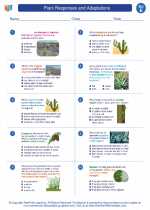 Plant Responses and Adaptations Worksheet/Answer key
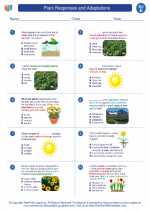 Plant Responses and Adaptations Vocabulary/Answer key
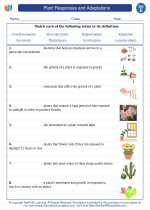 Plant Responses and Adaptations Vocabulary/Answer key
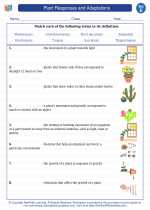 Plant Responses and Adaptations
Study GuideActivity LessonWorksheet/Answer keyWorksheet/Answer keyWorksheet/Answer keyVocabulary/Answer keyVocabulary/Answer keyThe resources above cover the following skills:
Life Science
Interdependence - A. Plants and animals, including humans, interact with and depend upon each other and their environment to satisfy their basic needs. B. Both human activities and natural events can have major impacts on the environment. C. Energy flows from the sun through producers to consumers.
Compare and contrast adaptations displayed by animals and plants that enable them to survive in different environments such as life cycles variations, animal behaviors and physical characteristics.