Genetic Engineering
Genetic engineering is the process of manipulating an organism's genome using biotechnology to produce desired traits or characteristics. This field of science allows researchers to insert, delete, or modify the DNA of an organism to create new traits or improve existing ones.
Key Concepts
- Recombinant DNA: In genetic engineering, scientists use techniques to cut and recombine DNA from different sources, creating sequences that would not otherwise be found in the genome.
- Gene Editing: Technologies such as CRISPR-Cas9 allow for precise editing of specific genes within an organism's DNA, enabling targeted modifications.
- Transgenic Organisms: These are organisms that have been genetically modified by introducing DNA from another species. This can result in the expression of new traits or characteristics.
- Applications: Genetic engineering has a wide range of applications, including agriculture (creating crops with improved resistance to pests and diseases), medicine (producing pharmaceuticals and developing gene therapies), and environmental conservation (modifying organisms for ecological benefits).
- Ethical Considerations: The use of genetic engineering raises ethical questions related to environmental impact, food safety, and the potential for unintended consequences in ecosystems.
Study Tips
- Understand the basics of DNA structure and function, including the role of genes and how they code for specific traits.
- Learn about the various techniques used in genetic engineering, such as PCR (polymerase chain reaction), gene splicing, and gene editing tools like CRISPR-Cas9.
- Explore real-world examples of genetic engineering in agriculture, medicine, and other fields to see how it is being applied in practice.
- Consider the ethical implications and societal impacts of genetic engineering, and be prepared to discuss these in essays or class discussions.
- Stay updated on current developments and debates in the field of genetic engineering by following scientific publications and news sources.
By mastering the concepts and applications of genetic engineering, you can gain a deeper understanding of this groundbreaking field and its potential impact on our world.
.◂Science Worksheets and Study Guides Eighth Grade. Modern Genetics
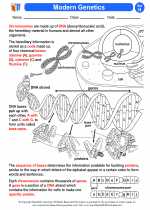
Study Guide Modern Genetics
  Activity Lesson
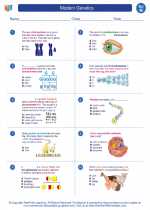
 Modern Genetics Worksheet/Answer key
 Modern Genetics Worksheet/Answer key
 Modern Genetics Worksheet/Answer key
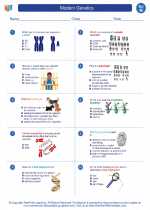 Modern Genetics Worksheet/Answer key
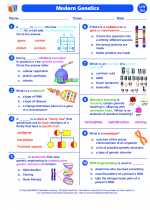 Modern Genetics Vocabulary/Answer key
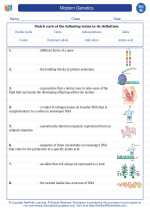 Modern Genetics Vocabulary/Answer key
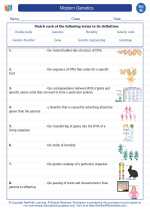 Modern Genetics Vocabulary/Answer key
 Modern Genetics Vocabulary/Answer key
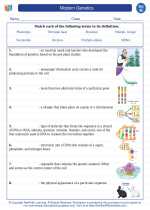 Modern Genetics Vocabulary/Answer key
 Modern Genetics Vocabulary/Answer key
 Modern Genetics
Activity LessonWorksheet/Answer keyWorksheet/Answer keyWorksheet/Answer keyWorksheet/Answer keyVocabulary/Answer keyVocabulary/Answer keyVocabulary/Answer keyVocabulary/Answer keyVocabulary/Answer keyVocabulary/Answer key