President Lincoln
Abraham Lincoln, the 16th President of the United States, is one of the most iconic figures in American history. He served as president during one of the most challenging periods in the nation's history, the Civil War, and is best known for his leadership in preserving the Union, abolishing slavery, and delivering the Gettysburg Address.
Early Life and Career
Abraham Lincoln was born on February 12, 1809, in a log cabin in Hardin County, Kentucky. He grew up in a poor family and had limited formal education. Despite these challenges, Lincoln was a voracious reader and largely self-educated. He worked various jobs before entering politics, including as a lawyer and a member of the Illinois State Legislature.
Presidency and Civil War
Lincoln was elected as the 16th President of the United States in 1860. His presidency was marked by the outbreak of the Civil War, a conflict between the Northern states (Union) and the Southern states (Confederacy) over issues including slavery and states' rights. Lincoln's leadership during this tumultuous time was characterized by his commitment to preserving the Union and his efforts to end slavery.
Emancipation Proclamation and Gettysburg Address
One of Lincoln's most significant actions as president was the issuance of the Emancipation Proclamation in 1863, which declared that all slaves in Confederate-held territory were to be set free. This proclamation was a pivotal moment in the fight against slavery. Additionally, Lincoln delivered the Gettysburg Address in 1863, a speech that emphasized the principles of liberty and equality and is considered one of the greatest speeches in American history.
Assassination and Legacy
Tragically, Abraham Lincoln was assassinated by John Wilkes Booth on April 14, 1865, just days after the Confederate surrender. His death was a devastating loss for the nation. Lincoln's legacy as a visionary leader who stood for freedom, unity, and equality continues to inspire people around the world.
Study Guide - President Lincoln
- What were some of the key challenges that Abraham Lincoln faced during his presidency?
- How did Lincoln's upbringing and early life experiences shape his character and leadership style?
- Discuss the significance of the Emancipation Proclamation and its impact on the Civil War.
- What are some key themes and ideas expressed in the Gettysburg Address?
- What is Abraham Lincoln's legacy, and how has it influenced American society?
These questions can serve as a starting point for further exploration of President Lincoln's life, presidency, and impact on American history. Additionally, reading biographies, historical documents, and analyzing primary sources related to Lincoln's presidency can provide a comprehensive understanding of this pivotal figure in American history.
For further study, consider exploring the following topics:
- Lincoln's leadership style and decision-making during the Civil War
- The significance of the Gettysburg Address in American rhetoric and political discourse
- The impact of Lincoln's presidency on the abolition of slavery and the Reconstruction era
- Comparisons between Lincoln and other influential American presidents
By delving into these areas of study, students can gain a deeper appreciation for President Lincoln's enduring impact on American history and society.
[President Lincoln] Related Worksheets and Study Guides:
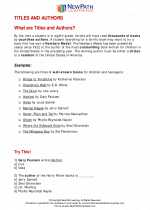
.◂English Language Arts Worksheets and Study Guides Eighth Grade. Titles and Authors
 Worksheet/Answer key
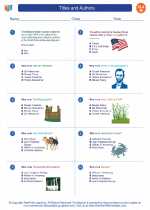 Worksheet/Answer key
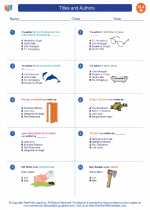 Worksheet/Answer key